
OSHA 1910.1025 Lead Rules for General Industry, Explained
Lead dust and fumes build up in the body. Over time they can harm the brain, nerves, kidneys, and blood. OSHA’s lead rule for general industry is 29 CFR 1910.1025. Here are the key numbers in plain words.
The two air limits
- Action level: 30 micrograms of lead per cubic meter of air, averaged over 8 hours. At this level, testing and medical checks start.
- Permissible exposure limit: 50 micrograms per cubic meter, averaged over 8 hours. No worker may breathe more than this.
If a shift is longer than 8 hours, the limit goes down. The rule gives a formula for it.
Testing the air
The company must test the air workers breathe. If results are at or above the action level, test again at least every 6 months. If results are over the limit, test every 3 months. Workers must get their results in writing within 15 working days.
Training for 1910.1025: Learn this rule step by step in our Lead Safety in General Industry course. It is included in the Black Belt Safety Vault.
Blood tests and medical checks
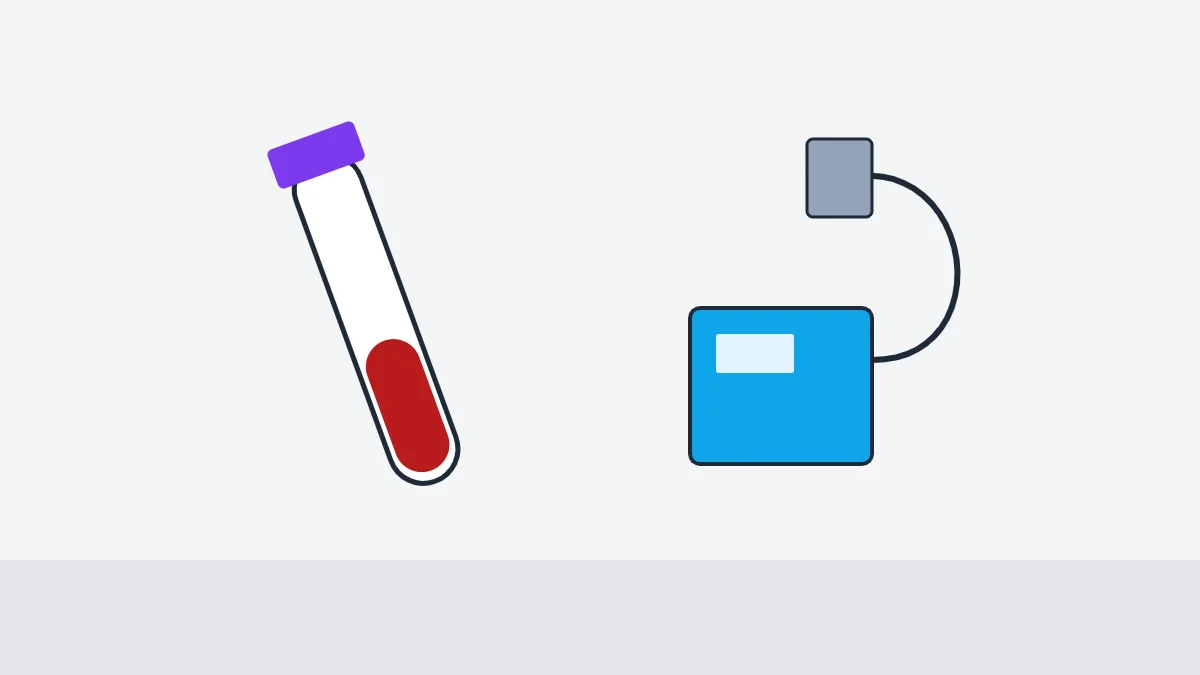
Medical checks start when a worker is at or above the action level for more than 30 days a year. Blood lead is tested at least every 6 months. It is tested more often if levels are high.
A worker must be removed from lead work if a blood test is 60 or more. The unit is micrograms per 100 grams of blood. Removal is also needed if the average of the last three tests is 50 or more. The worker can return after two tests in a row below 40. During removal, the worker keeps pay and benefits for up to 18 months.
Clean rooms, clean clothes, training
Where air levels are over the limit, the company must give change rooms, showers, and a clean lunchroom. Work clothes must be washed by the company at least weekly. Workers get training at least once a year. Records are kept for at least 40 years.
What to do next
Lead rules have a lot of numbers. Our Lead Safety in General Industry course makes them easy to follow. Start the course or join the Vault.
This is a plain-language summary. The official rule text is what counts.
Sources
- 29 CFR 1910.1025, Lead – OSHA, checked 2026-10-15
Frequently asked questions
What is the OSHA PEL for lead?
It is 50 micrograms of lead per cubic meter of air, averaged over 8 hours. If a shift is longer than 8 hours, the limit goes down.
What is the OSHA action level for lead?
It is 30 micrograms per cubic meter of air, averaged over 8 hours. At this level, testing and medical checks start.
When must a worker be removed from lead work?
When a blood test is 60 or more micrograms per 100 grams of blood. Removal is also needed if the average of the last three tests is 50 or more.
How often is blood lead tested?
At least every 6 months for workers in medical checks. It is tested more often if levels are high.