
Topic · 15 courses
Electrical, Machinery & Tools
Electrical work practices, lockout/tagout, machine guarding, power presses, hand and power tools, welding and hot work.
AllFall Protection & Working at Heights 12Cranes, Rigging & Material Handling 14Espacios confinados y excavaciones 10Hazardous Materials & Chemicals 21Toxic Substances & Health Hazards 25Electrical, Machinery & Tools 15Vehicles & Heavy Equipment 6PPE, First Aid & Emergency Plans 11Operaciones de construcción 9OSHA Compliance & Worker Rights 7Industrias especializadas 12
Electrical, Machinery & Tools
Electrical work practices, lockout/tagout, machine guarding, power presses, hand and power tools, welding and hot work.

Bakery Equipment Safety
Learn the guards, stop devices, lockouts and oven rules that protect you at mixers, dough machines, ovens and flour bins in a bakery.
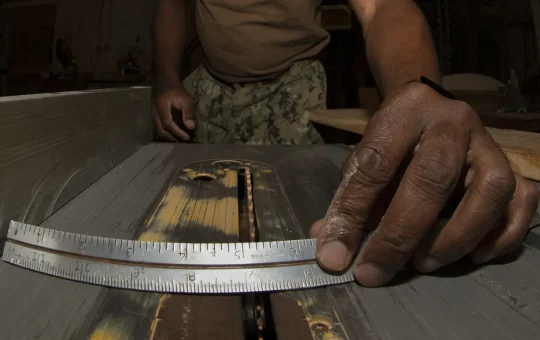
Woodworking Machinery Safety
For employees who run table saws, radial saws, bandsaws, jointers, shapers and sanders: power controls and restart protection, saw hoods, spreaders and nonkickback devices, radial saw setup, jointer and bandsaw guards, push sticks and keeping…
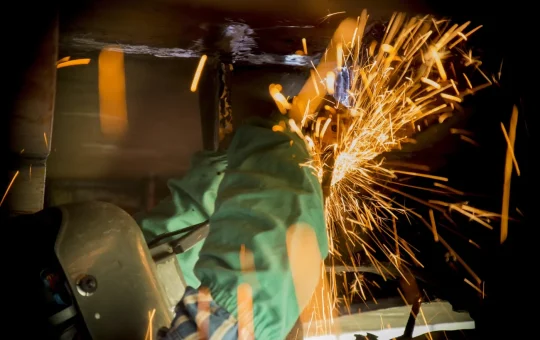
Shipyard Welding, Cutting and Heating
For shipyard welders, burners, fitters and helpers: ventilation and respirators for fumes and toxic metals, preservative coatings, hollow structures, compressed gas cylinders, fuel gas, hoses and torches, and arc welding cables, grounds and shielding.
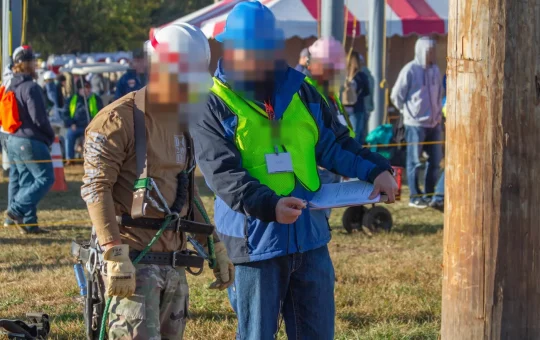
Power Line Work: Job Briefings and De-energizing Lines
Learn what a qualified employee and an employee in charge need to recognize on power line work: what a job briefing must cover, why lines are treated as energized, and how a clearance is requested,…
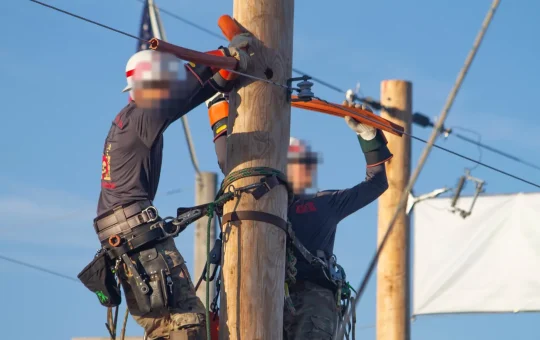
Power Line Work: Grounding and Protective Equipment
Learn what the construction standard requires for protective grounding of power lines and for fall protection on poles and towers, from the point of view of the qualified employee doing the work.

Mechanical Power Press Safety
For mechanical power press operators, die setters and supervisors: which presses are covered, point of operation guards and devices, hand feeding tools, two-hand controls, safety blocks for die work, the inspection program, operator instruction and…

Guarding Belts, Pulleys, Gears and Shafts
For machine operators and maintenance staff: the 7-foot rule for guarding mechanical power-transmission apparatus, flywheels, shafting, pulleys, belts, gears, sprockets and chains, projecting keys and setscrews, guard materials, and the 60-day inspection.
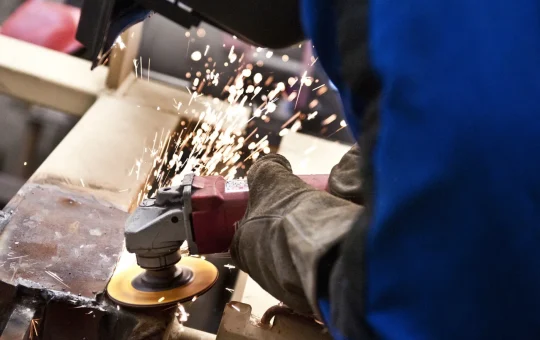
Abrasive Wheel Machinery and Grinder Safety
For employees who use or maintain bench grinders, pedestal grinders and other abrasive wheel machinery: guards and their exceptions, the tongue guard and work rest gaps, flanges and blotters, the ring test and speed check…
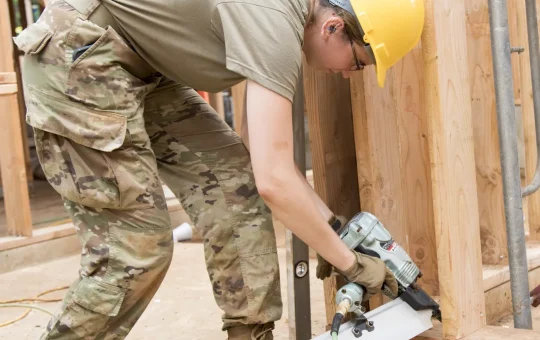
Nail Gun and Powder-Actuated Tool Safety
For framers, carpenters and other construction workers: what OSHA requires for pneumatic nailers, air hoses and powder-actuated tools, plus the habits that keep nails and pins out of people.
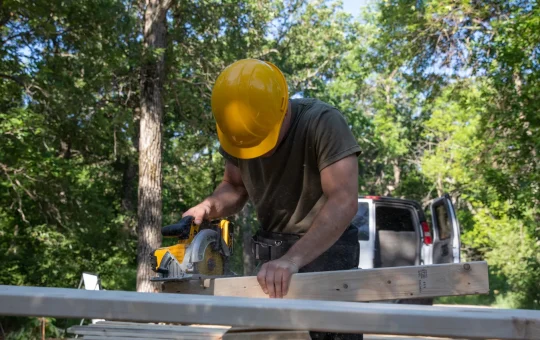
Hand and Power Tool Safety for Workers
For the worker who uses hand and power tools: spot a tool that is unsafe to use, check guards and switches, use electric and air tools the right way, mount and use grinding wheels safely,…
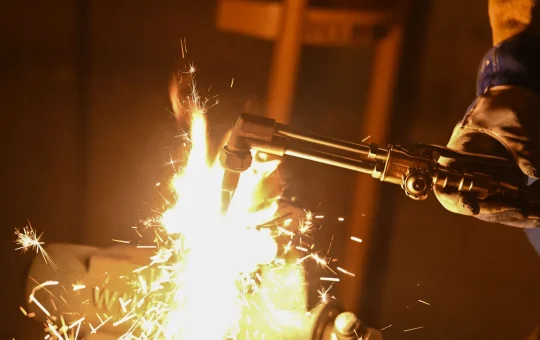
Welding, Cutting and Hot Work: Welder and Cutter
For the welder or cutter doing hot work: make the area fire safe before you strike an arc, know when a fire watch is required and what it does, handle containers and walls safely, protect…
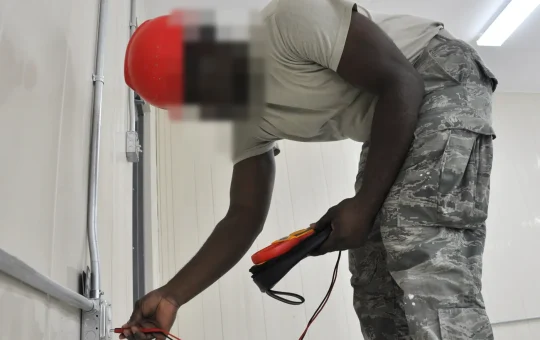
Electrical Safety-Related Work Practices for Workers
For general industry workers who work on, near or with electrical equipment but are not qualified persons: know your limits, treat unlocked parts as live, keep away from overhead lines, work safely near exposed parts,…
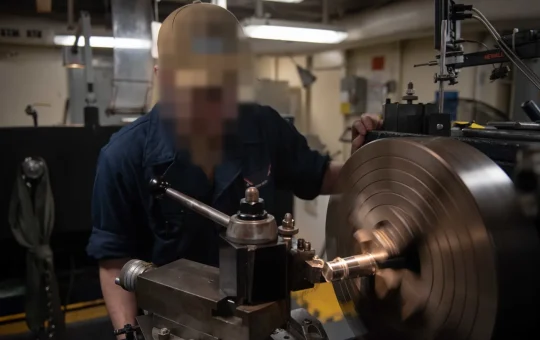
Machine Guarding for Operators and Maintenance Workers
For people who run or maintain machines: recognize the hazards that must be guarded, know what a proper guard does, spot unguarded belts, pulleys, gears, chains and shafts within 7 feet of the floor, and…
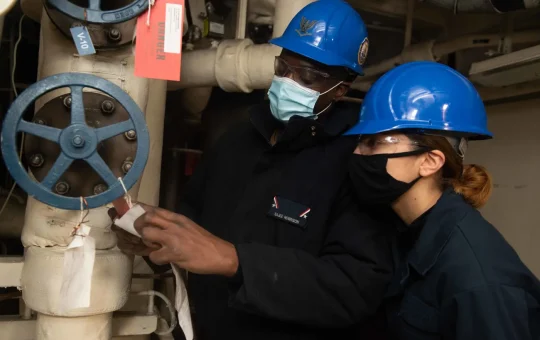
Lockout/Tagout for Authorized Employees
For authorized employees who lock and tag out machines in general industry: when the standard applies, the six-step application sequence, tags and their limits, safe release, group and shift-change lockout, and the annual periodic inspection.

Electrical Safety in Construction for Workers
For construction workers who use temporary power, extension cords and portable tools: stay clear of live circuits, use ground-fault protection, inspect and run cords correctly, and respect tagged controls.