
Topic · 21 courses
Hazardous Materials & Chemicals
HazCom, HAZWOPER, DOT hazmat, flammables, compressed gases, process safety, explosives and waste.
AllFall Protection & Working at Heights 12Cranes, Rigging & Material Handling 14Espacios confinados y excavaciones 10Hazardous Materials & Chemicals 21Toxic Substances & Health Hazards 25Electrical, Machinery & Tools 15Vehicles & Heavy Equipment 6PPE, First Aid & Emergency Plans 11Operaciones de construcción 9OSHA Compliance & Worker Rights 7Industrias especializadas 12
Hazardous Materials & Chemicals
HazCom, HAZWOPER, DOT hazmat, flammables, compressed gases, process safety, explosives and waste.
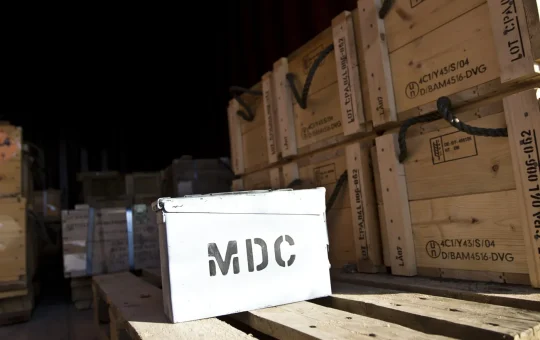
Transporting and Storing Explosives on Construction Sites
Learn what a driver, magazine keeper or blaster needs to recognize when explosives are hauled on the surface, moved underground, or stored: the vehicle rules, what may not travel together, and storage distances.
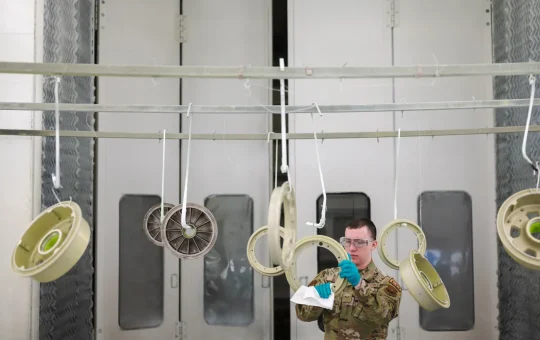
Spray Finishing with Flammable and Combustible Materials
For spray painters, powder coaters and supervisors: spray booth basics, keeping ignition sources away, ventilation, filters and residue disposal, hoses and grounding, cleaning solvents, no-smoking rules, and electrostatic and powder coating safety.
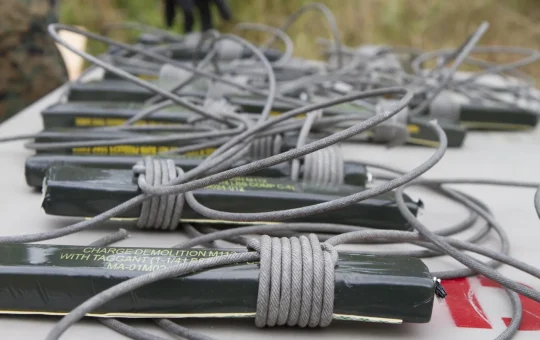
Loading, Firing and Misfires (Blasting Crew)
Learn how the construction standard requires loading, electric and fuse initiation, detonating cord, firing, post-blast inspection and misfires to be handled by the blaster and blasting crew.

Grain Handling Facilities Safety
For employees and supervisors at grain elevators, feed mills, flour mills and similar facilities: training, hot work permits, bin, silo and tank entry, flat storage entry, engulfment protection, housekeeping and dust, preventive maintenance and lockout,…
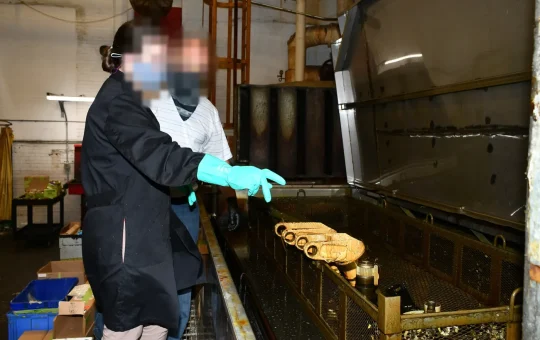
Dipping and Coating Operations (Dip Tanks)
For operators and maintenance workers at dip tanks used for painting, plating, pickling, degreasing, quenching and similar processes: ventilation and the 25% LFL limit, first aid and hygiene facilities, tank cleaning and entry, inspections, and…
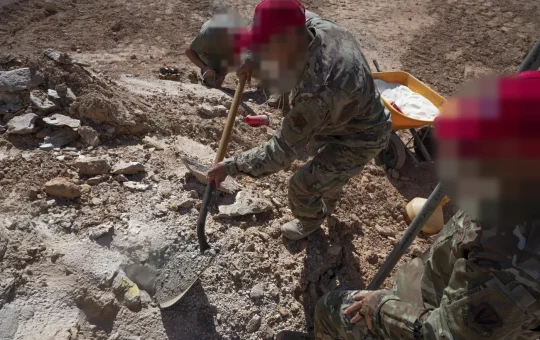
Blaster Qualifications and General Blasting Rules
Learn what the construction standard requires of a blaster and the general rules a blaster applies every day: control of explosives, ignition sources, stray electricity, and protecting people and property.

Anhydrous Ammonia Storage and Handling
For employees who store, transfer, deliver or apply anhydrous ammonia: where the rule applies, container location and markings, gas masks and emergency water, filling limits, attended transfers, hose protection, tank car unloading, and farm vehicle…

LP-Gas and Temporary Heaters on Construction Sites
Learn what the construction rules ask of the worker who sets up or runs LP-gas containers and temporary heaters: approved equipment, indoor use, spacing, storage, ventilation, clearances and flame-failure protection.
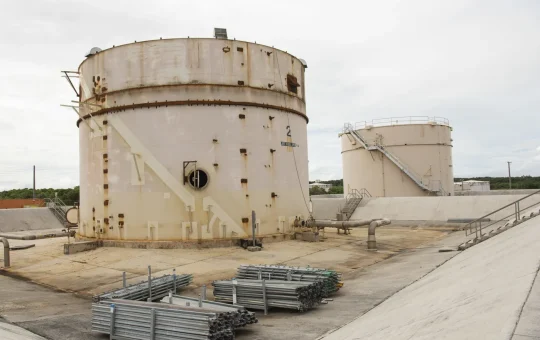
Oil Spill Prevention (SPCC) Awareness
For oil-handling facility staff: know which oil storage the SPCC rule covers, what your facility's SPCC Plan must contain, and how to keep containment, drainage, inspections and transfers from turning into an oil discharge.
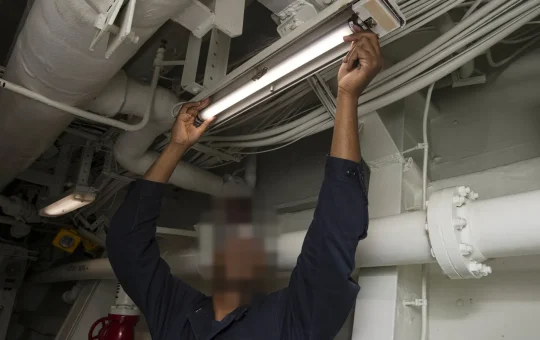
Universal Waste Management for Facility Staff
For facility staff who handle spent lamps, batteries, aerosol cans, mercury equipment and waste pesticides: recognize universal waste, contain it, label it, date it, and respond to breaks and leaks.
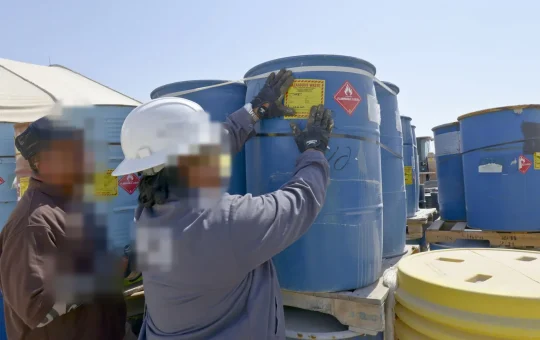
Hazardous Waste Generator Basics (RCRA) for Facility Staff
For facility staff who handle hazardous waste: why waste determinations matter, how generator category sets your limits, and how to manage satellite and central accumulation containers so they stay closed, marked, inspected and safe.
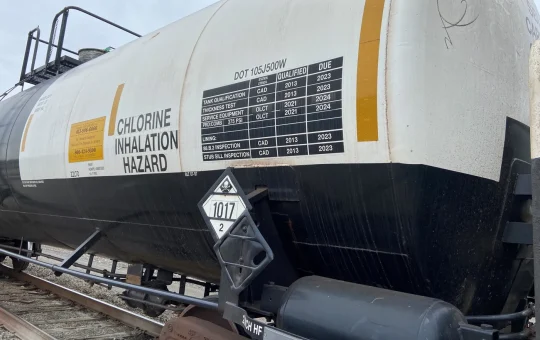
DOT Hazmat Placarding
For shippers and drivers who decide, provide and display placards on highway shipments: know when placarding applies, use Tables 1 and 2 and the 454 kg exception, apply the DANGEROUS and subsidiary placards correctly, and…
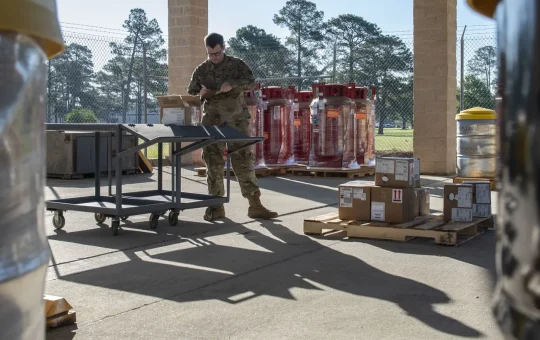
DOT Hazmat Marking and Labeling for Shippers
For shipping and receiving employees who prepare hazmat packages: put the required markings on non-bulk packages, choose and place the right hazard labels, and avoid prohibited markings and labels.
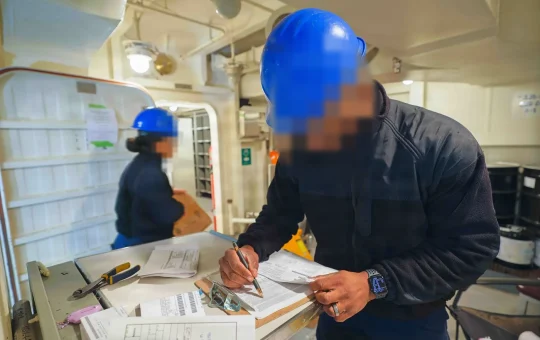
DOT Hazmat Shipping Papers
For the hazmat employee who prepares and signs shipping papers: write the basic description in the right order, add quantity, packages and the additional entries that apply, include the emergency response number, sign the shipper's…
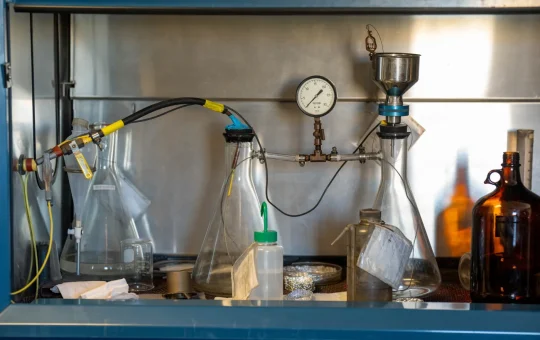
Chemical Hygiene in Laboratories
For laboratory workers who use hazardous chemicals: know what your Chemical Hygiene Plan covers and where it is, detect and recognize chemical hazards, use the hood and other controls the plan requires, and know your…
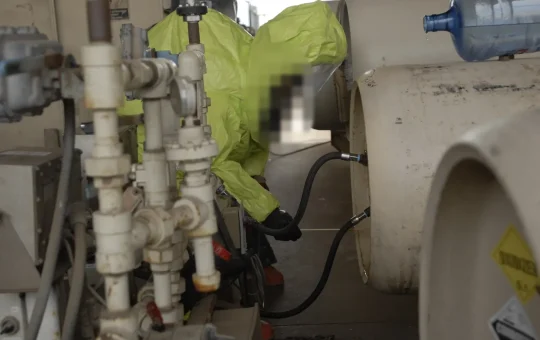
Process Safety Management Awareness
Awareness for operators, maintenance workers, contractors and their supervisors at facilities with a covered process: know what PSM covers, work from the operating procedures, respect hot work and change controls, and know your part in…
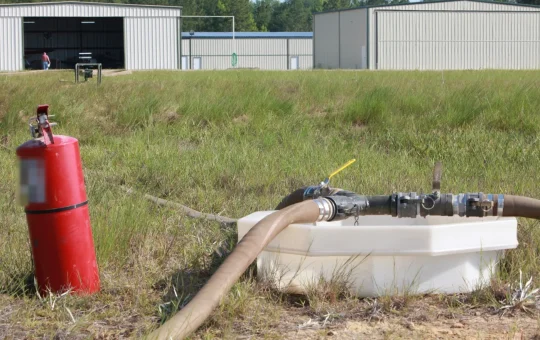
Flammable Liquids Storage and Handling
For workers who store, pour, dispense and use flammable liquids such as gasoline and solvents: recognize a flammable liquid, use the right container, store it within the limits, transfer it without a spark, and fuel…
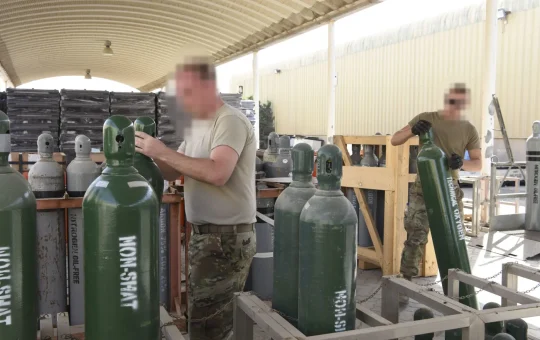
Compressed Gas Cylinder Safety
For workers who move, store and use compressed gas cylinders, especially oxygen and fuel gas for welding and cutting: move and store cylinders safely, place them away from heat and electricity, open and connect them…
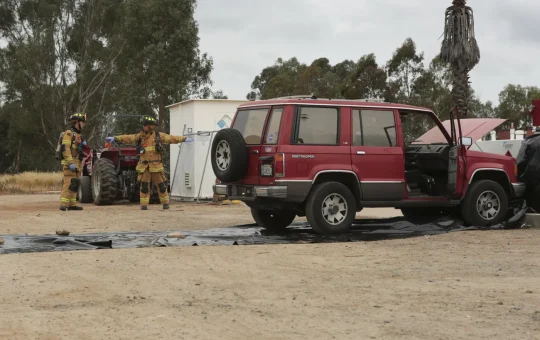
HAZWOPER Awareness: First Responder Awareness Level
Awareness training for workers who may witness or discover a hazardous substance release: what HAZWOPER covers, what hazardous substances are, and how to recognize a release and notify the right people.
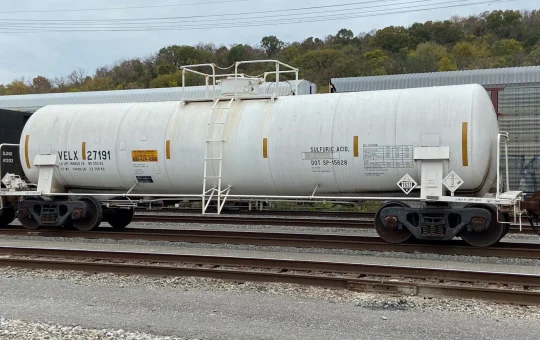
DOT Hazmat Employee Training Awareness
Learn who counts as a DOT hazmat employee, which shipping jobs are regulated, the key words of the Hazardous Materials Regulations, and the training, timing and records your employer must have in place.
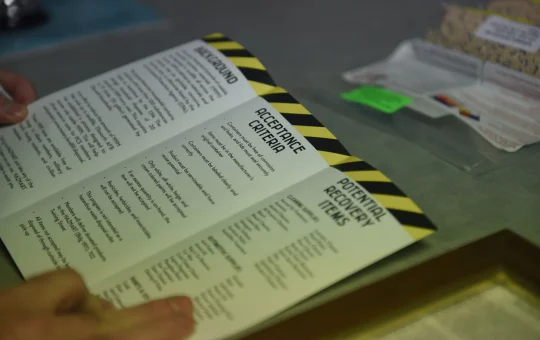
Hazard Communication Basics
Learn to read chemical labels, recognize the OSHA pictograms, find answers fast on a Safety Data Sheet, and handle unlabeled containers. Interactive lessons, knowledge checks, a branching scenario and a final quiz.