
How Your EMR Raises or Lowers Your Workers’ Comp Premium (and How to Bring It Down)

Has a bid form asked for your mod? Then you have met the Experience Modification Rate, or EMR. It is one number. But it changes what you pay for workers’ comp. It can also decide if you get to bid at all.
The EMR goes up when your crew gets hurt. So the fix starts with safety. Make sure your supervisors know which injuries must be reported to OSHA and when. Here is how the number works and how to bring it down.
What the EMR is
Your EMR compares your claims to those of similar companies. It looks at firms of your size in your line of work. Your insurer sends your payroll and claims data in each year. A rating bureau or state agency then works out the number. In California that is the WCIRB. In Washington it is the state Department of Labor and Industries.
- 1.0 is about average.
- Below 1.0 means your record is better than average. You pay less.
- Above 1.0 means your record is worse than average. You pay more.
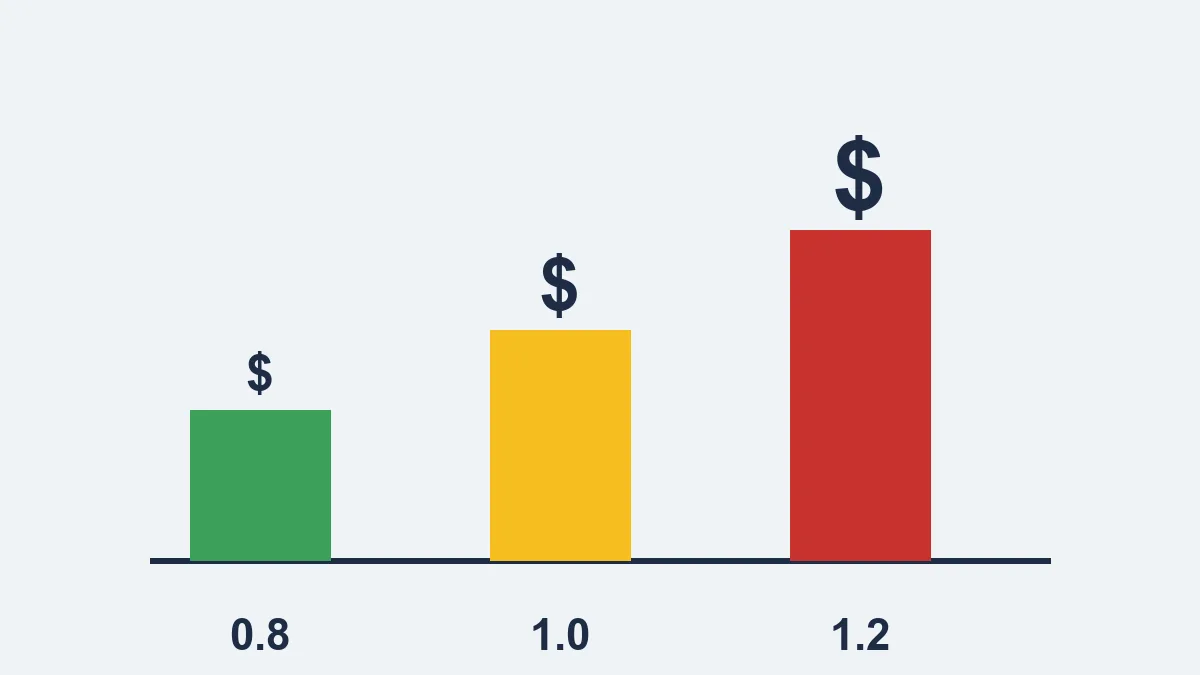
Your carrier applies the EMR to your base premium, along with any other changes. So a 0.80 mod cuts that part of your bill by about 20%. A 1.30 mod adds about 30%.
How it is figured
The EMR looks back over a few years of payroll and claims. In Washington, for example, it uses the oldest three of the last four years. The newest year is left out. That means a claim can follow you for three years, and it may not show up right away.
Not every dollar of a claim counts the same. Washington’s rule splits each claim into a first part and the rest. Small claims count in full in the first part. Bigger claims only add part of their cost. So a string of small injuries can hurt your mod more than you might think.
Claims with no lost time also count for less. In Washington, a claim with no wage loss pay is cut by a set amount before it is used. Other states use their own rules, so ask your carrier how yours works.
Why it matters beyond premium
Some owners and public agencies check your EMR before you can bid. One Oregon city’s water plant project is an example. A contractor with a three-year EMR above 1.2 was not prequalified. Between 1.0 and 1.2, the contractor had to explain the number with OSHA logs and injury rates. If you chase big commercial, industrial or data center work, expect this kind of check.
How to bring your EMR down
- Prevent injuries first. A written safety plan that you enforce is the only lasting fix. Build it around your real hazards, such as falls, struck-by, electrical and strains.
- Stop the small injuries. Small claims add up in the formula. Cutting the steady trickle of minor injuries matters as much as stopping the big ones.
- Report every injury right away. Tell your carrier fast so the claim is handled well. Supervisors also need to know OSHA’s deadlines. A death must be reported within 8 hours. A hospital stay, amputation or loss of an eye must be reported within 24 hours. Learn what must be reported to OSHA and when.
- Run a return-to-work program. Light duty can keep a claim from turning into a lost-time claim. Washington’s state agency urges firms to keep hurt workers on pay for this reason.
- Check your claims list and your rating sheet. Look for claims put on the wrong company, money set aside that is too high, or payroll errors. Mistakes happen, and states have ways to fix them. In California you can dispute your mod.
- Close claims the right way. Money held for open claims can push your mod up. Work with your carrier to close claims that are done.
- Train supervisors. Foremen set the pace on safety. Start with first aid requirements for supervisors and competent person training.
Train every supervisor this month
One Black Belt Safety membership opens the whole course vault: 100+ OSHA-based courses, with new ones every week.
Train the whole crew, not just the foremen
Team seats give every worker the full course vault, with completion records for your safety file.
Related: What drives insurance costs for data center and electrical contractors.
Bottom line
Your EMR is a report card on your safety program. Make the program better and the number follows. That means lower premiums and more chances to bid.
This article is general education, not insurance advice. Rating rules vary by state and rating bureau. Review your own rating sheet with your carrier or a licensed insurance pro.
Every injury costs you for three years
Your mod remembers. Training that stops the next claim is the cheapest premium cut you can buy.
Train your crew at Black Belt Safety
$49 per seat per month, 5-seat minimum.
Lower your mod, get invited to more bids
A trained crew means fewer claims, a better EMR and more bid approvals.
Train your crew at Black Belt Safety
$49 per seat per month, 5-seat minimum.
Sources
- Workers Compensation consumer guide, California Department of Insurance. Checked 2026-10-15.
- Experience Rating, Washington State Department of Labor and Industries. Checked 2026-10-15.
- WSR 23-24-039, Experience modification (WAC 296-17-855), Washington State Department of Labor and Industries. Checked 2026-10-15.
- Mahler WRF Improvements, Contractor Prequalification Addendum 2, City of Sweet Home, Oregon. Checked 2026-10-15.
- 29 CFR 1904.39, Reporting fatalities, hospitalizations, amputations, and losses of an eye, OSHA. Checked 2026-10-15.
Frequently asked questions
What is a good EMR for a contractor?
An EMR of 1.0 is about average. Below 1.0 means your record is better than average and you pay less.
How long does a claim stay on your EMR?
It can follow you for three years. In Washington, for example, the mod uses the oldest three of the last four years, so a claim may not show up right away.
Can a high EMR keep you from bidding?
Yes. Some owners and public agencies check your EMR first. One Oregon city did not prequalify contractors with a three-year EMR above 1.2.
How do I lower my EMR?
Prevent injuries first, stop the small ones, and report every injury right away. Run a return-to-work program and check your claims list for mistakes.