
OSHA 1910.146 Permit-Required Confined Spaces Made Simple
Tanks, pits, vaults, and silos can kill in minutes. The air inside can be bad. Grain or liquid can bury a worker. OSHA’s rule for permit-required confined spaces is 29 CFR 1910.146. Here is what it says in plain words.
What is a confined space
A space is a confined space when all three are true:
- A worker can fit inside and do work.
- It is hard to get in or out.
- It is not built for people to stay in all day.
It becomes a permit space when it has a serious hazard. That can be bad air, something that can bury you, walls that slope in and can trap you, or another serious danger.
This rule is for general industry. Construction and shipyards have their own rules.
What the company must do
First, find every permit space. Post danger signs or warn workers some other way. If no one will go in, keep people out. If workers will go in, the company needs a written program. It must cover how to test the air, keep people out who do not belong, and plan a rescue.
The permit
No one goes in until the entry supervisor signs a permit. The permit lists the space, the job, the time, the people, the hazards, and the air test results. It also lists how to call for rescue. The permit is posted at the entry. It lasts only as long as the job. Keep closed permits for at least one year.
Training for 1910.146: Learn this rule step by step in our Permit-Required Confined Space Entrant course. It is included in the Black Belt Safety Vault.
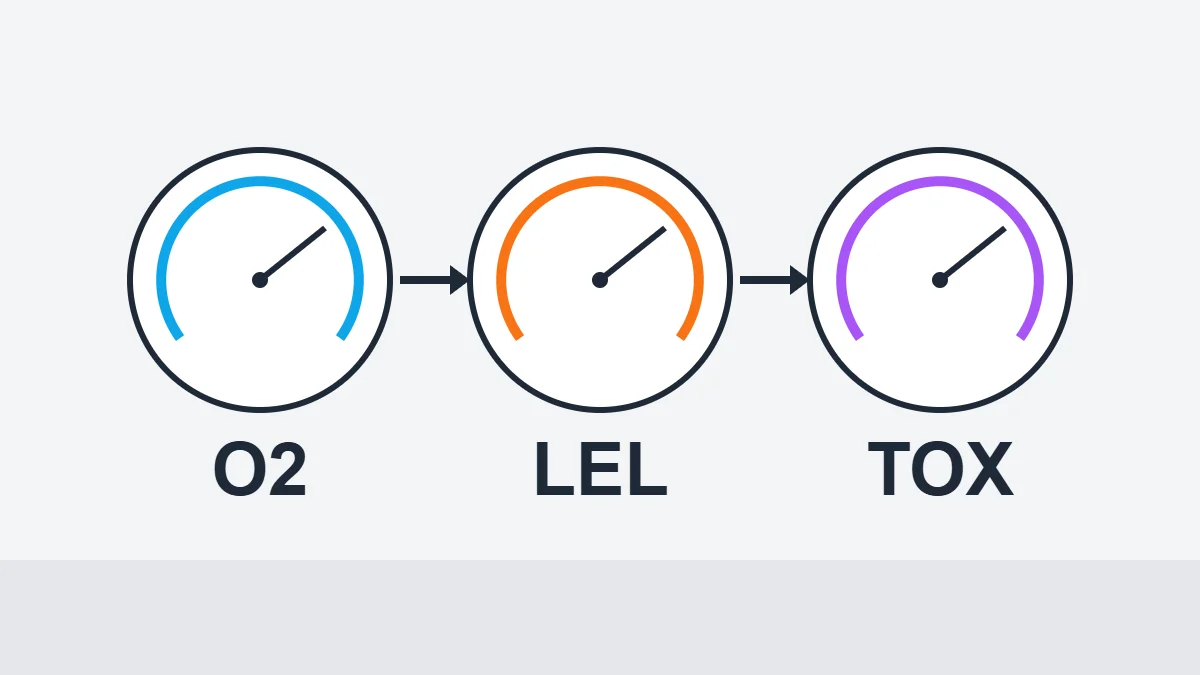
Test the air in this order
OSHA sets the order for air tests:
- Oxygen
- Flammable gas and vapor
- Toxic gas and vapor
Safe oxygen is between 19.5% and 23.5%. Flammable gas must stay under 10% of the level where it can burn.
Three jobs at every entry
- Entrant: goes in, knows the signs of trouble, and gets out fast when told.
- Attendant: stays outside the whole time, keeps count of who is inside, and calls for rescue. The attendant does not go in.
- Entry supervisor: checks the tests, signs the permit, and ends the entry if things change.
Rescue teams must practice at least once every 12 months.
What to do next
Each person needs training before the first entry. Our Permit-Required Confined Space Entrant course covers the hazards and your duties. We also have courses for attendants and entry supervisors. Start the course or join the Vault for all of them.
This is a plain-language summary. The official rule text is what counts.
Sources
- 29 CFR 1910.146, Permit-required confined spaces – eCFR, National Archives, checked 2026-10-15
Frequently asked questions
What is a permit-required confined space?
It is a confined space with a serious hazard. That can be bad air, something that can bury you, walls that slope in and can trap you, or another serious danger.
What is the order for confined space air testing?
Test oxygen first, then flammable gas and vapor, then toxic gas and vapor.
What is a safe oxygen level in a confined space?
Safe oxygen is between 19.5% and 23.5%. Flammable gas must stay under 10% of the level where it can burn.
How long must confined space permits be kept?
Keep closed permits for at least one year. A permit lasts only as long as the job.