
OSHA 1910.147 Lockout/Tagout in Plain English
Machines can start up while someone is fixing them. A belt moves. A valve opens. Stored air or springs let go. That is why OSHA has a rule called lockout/tagout. Its number is 29 CFR 1910.147. This guide explains it in plain words.
What the rule covers
The rule is for service and repair work on machines. It applies when a machine could start up or let out stored energy and hurt someone. Most normal production work is not covered. But it is covered if a worker has to take off a guard or put a hand into the danger zone.
Some work is left out. Construction and farm work have other rules. A tool with a cord and plug is left out if the worker unplugs it and keeps control of the plug.
Your program needs three parts
Every company that does this work needs an energy control program. It has three parts:
- Written steps for each machine. They show how to shut it down, lock it, and check that it is safe.
- Training. Workers who lock out machines need the most training. Workers near the machine must know what a lock means. Everyone must know not to restart locked equipment.
- A yearly check. At least once a year, another trained worker watches the steps being used. Problems get fixed. The check is written down.
The six steps
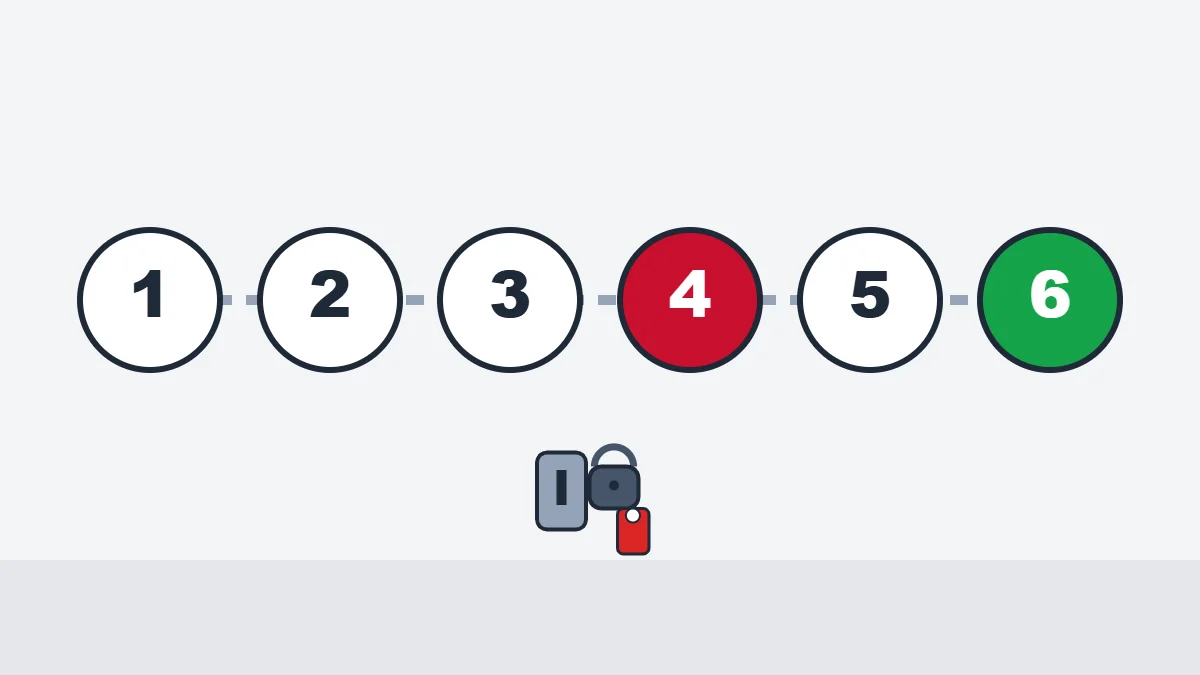
OSHA lists the steps in order:
- Get ready. Know the type of energy and how to control it.
- Shut the machine down the normal way.
- Cut it off from every energy source.
- Put on your own lock or tag.
- Release or block stored energy, like springs, air, or heat.
- Check that the machine will not start before you begin.
Training for 1910.147: Learn this rule step by step in our Lockout/Tagout for Authorized Employees course. It is included in the Black Belt Safety Vault.
Locks come first
If a switch or valve can take a lock, you must use a lock. A tag alone is only allowed if it gives the same safety. Tags are warnings. They do not hold a switch in place. Each lock or tag must show who put it on. Only the person who put on a lock should take it off. The rule allows a strict, written exception for when that person has left the site.
What to do next
Supervisors and maintenance workers need hands-on training to do this right. Our Lockout/Tagout for Authorized Employees course walks you through each step. Start the course or join the Vault to get every course.
This is a plain-language summary. The official rule text is what counts.
Sources
- 29 CFR 1910.147, The control of hazardous energy (lockout/tagout) – eCFR, National Archives, checked 2026-10-15
Frequently asked questions
What does OSHA 1910.147 cover?
It covers service and repair work on machines that could start up or let out stored energy. Most normal production work is not covered unless a worker takes off a guard or reaches into the danger zone.
What are the six steps of lockout/tagout?
Get ready, shut the machine down the normal way, and cut off every energy source. Then put on your own lock or tag, release or block stored energy, and check that the machine will not start.
Can I use a tag instead of a lock?
If a switch or valve can take a lock, you must use a lock. A tag alone is only allowed if it gives the same safety.
Who can take off a lockout lock?
Only the person who put on the lock should take it off. The rule allows a strict, written exception for when that person has left the site.