
Scaffolds Are a Top 5 OSHA Citation: 6 Fixes Before an Inspector Shows Up
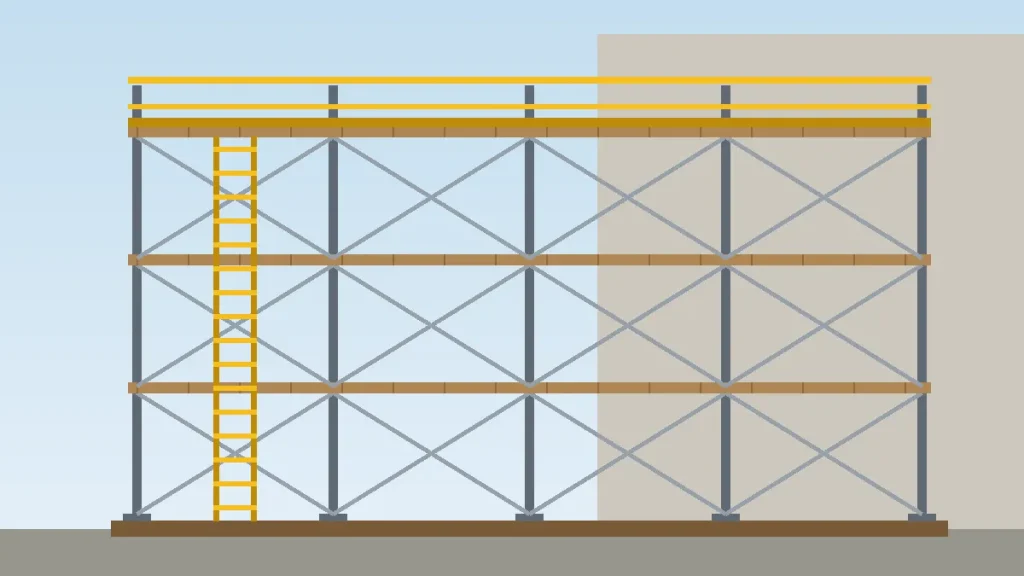
OSHA keeps a list of the rules it cites most. The main scaffold rule is number 4 on OSHA’s early list for fiscal year 2026. Scaffolds are easy to see from the street, so inspectors notice them.
This post shows what it costs and six fixes you can make this week.
Where scaffolds rank
OSHA’s early list for fiscal year 2026 covers October 1, 2025 to August 31, 2026. The general scaffold rule, 1926.451, is in fourth place. Fall protection is first. Ladders are fifth.
Our own count of public Department of Labor records found 2,517 citations under 1926.451 in the 12 months to October 16, 2026. They carried $7.75 million in current penalties.
OSHA’s top fine is $16,550 for each serious violation. It is $165,514 for each willful or repeated one.
6 fixes before an inspector shows up
- Check the footing. Supported scaffolds need a solid base. Look for base plates and mud sills, not blocks or bricks.
- Plank it all the way. Platforms should be fully planked. Gaps between planks should be no more than 1 inch in most cases. Most platforms must be at least 18 inches wide.
- Give a safe way up. When a platform is more than 2 feet above or below the access point, workers need a ladder, stair tower or other safe access. Climbing the cross braces is a common citation.
- Protect against falls above 10 feet. Workers on a scaffold more than 10 feet above a lower level need fall protection. On most newer scaffolds, the top rail sits between 38 and 45 inches high.
- Inspect before each shift. A competent person must check the scaffold for visible defects before each work shift. Write it down, even when the rule does not demand a form.
- Let only the right people change it. Scaffolds are built, moved, changed and taken down only under the supervision and direction of a competent person.
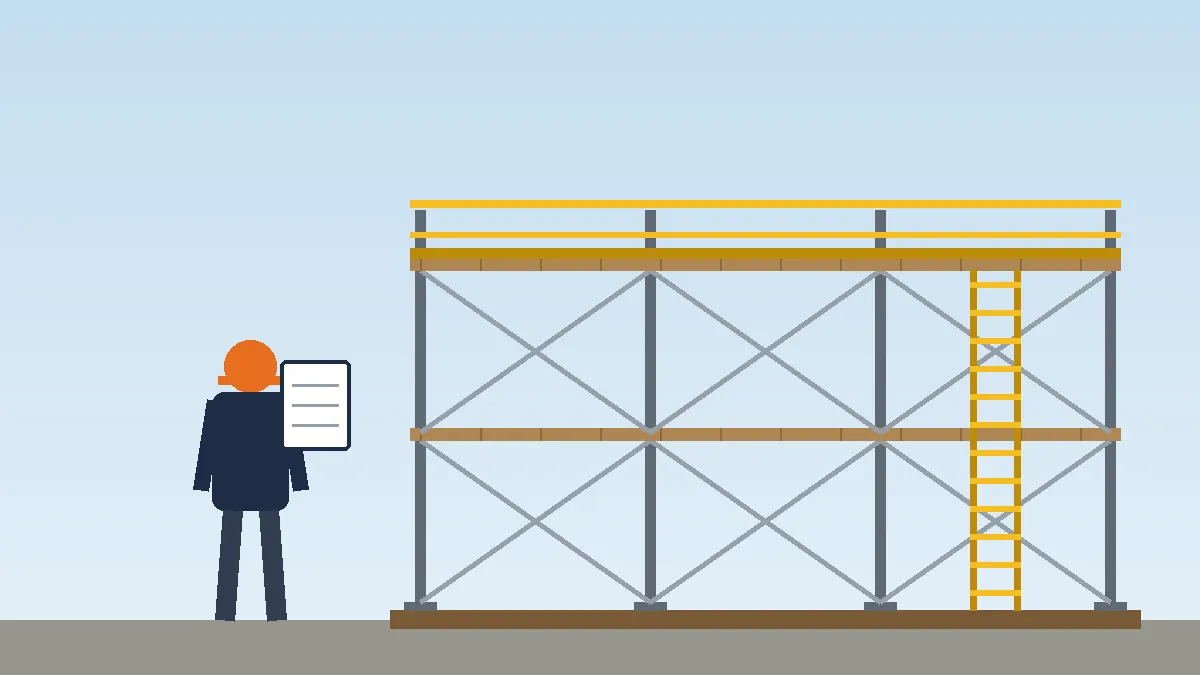
Need a competent person on site? Our Scaffold Competent Person course covers the inspection, the loads and who can change a scaffold. It is part of The Dojo, our full course library.
Training is part of the rule
The scaffold training rule, 1926.454, asks for training for everyone who works on a scaffold. People who build and take down scaffolds need more training, from a competent person. See who needs which scaffold training.
Read the full rule in plain words
This post covers the fixes. Our free scaffold safety guide explains the rule in plain words, with a quiz. Our monthly OSHA enforcement report tracks the numbers.
Train your crew
Start the Scaffold Competent Person course or train your whole team.
About this data
OSHA’s fiscal year 2026 list is early and can still change. Our citation and penalty counts come from a nightly copy of public Department of Labor records. Penalties change when cases settle. Black Belt Safety is not part of OSHA or the Department of Labor. This is a plain-language summary, and the regulation text is what counts.
Sources
- Top 10 Most Frequently Cited Standards – Occupational Safety and Health Administration, checked 2026-10-16 (preliminary FY 2026, updated 10/5/26)
- 29 CFR 1926 Subpart L (1926.450-1926.454) – eCFR, National Archives, checked 2026-10-16
- OSHA Penalties – Occupational Safety and Health Administration, checked 2026-10-16
- U.S. Department of Labor Open Data Portal (OSHA enforcement data) – U.S. Department of Labor, checked 2026-10-16; figures from Black Belt Safety’s nightly copy, 12 months to 2026-10-16
Frequently asked questions
Where do scaffolds rank on OSHA's most cited list?
The general scaffold rule, 1926.451, is number 4 on OSHA's early list for fiscal year 2026.
At what height do scaffold workers need fall protection?
Workers on a scaffold more than 10 feet above a lower level need fall protection.
How often must a scaffold be inspected?
A competent person must check it for visible defects before each work shift.
When do workers need a ladder or stairs to reach a scaffold?
When a platform is more than 2 feet above or below the access point, workers need safe access like a ladder or stair tower.