
Construction Fall Deaths in 2024: What the New Federal Numbers Mean for Your Crew
Every year, the U.S. Bureau of Labor Statistics (BLS) counts every worker who died on the job. The 2024 numbers came out on February 19, 2026. Falls are still one of the biggest killers. That is true most of all for people who build things.
Here is what the numbers say and what you can do about them. The rules for stopping falls are in our free fall protection guide.
The big numbers
- 5,070 workers died on the job in 2024. That is 4 percent fewer than in 2023.
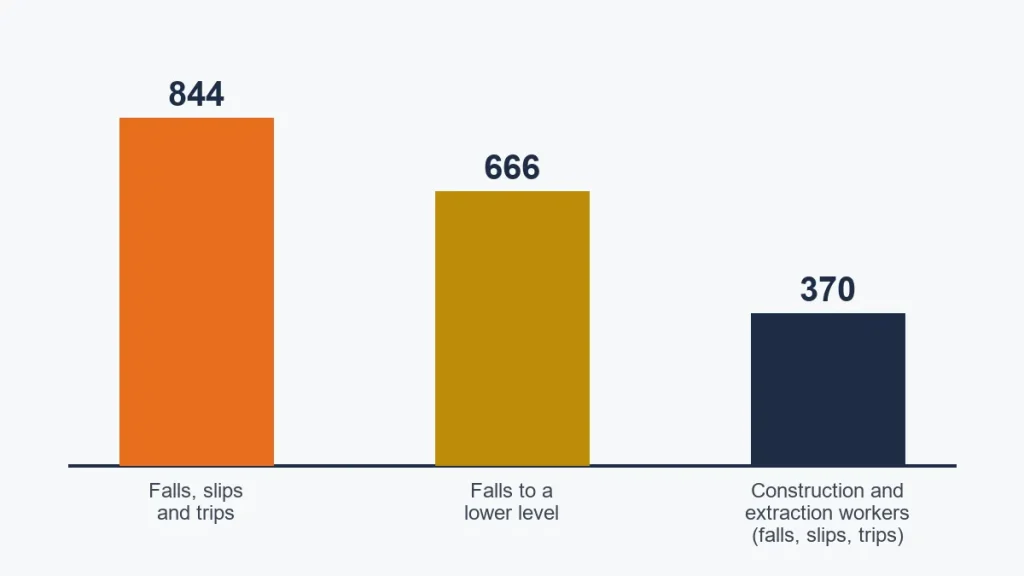
- 844 of those deaths came from falls, slips and trips.
- 666 were falls to a lower level, like off a roof, a ladder or a scaffold.
- 1,032 of the workers who died had construction and extraction jobs.
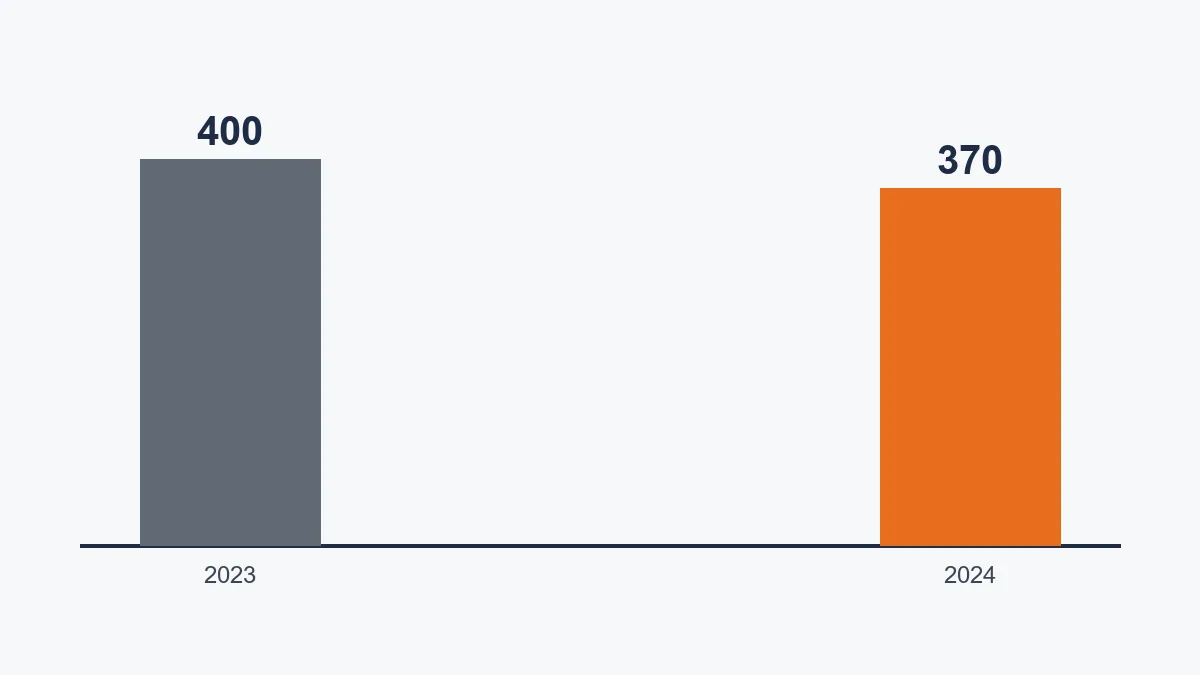
- 370 of those construction and extraction workers died from falls, slips and trips. That was down from 400 in 2023.
Fewer deaths, but still too many
The numbers went down. That is good news. But 370 people in the building trades still died from falls, slips and trips in one year. Put another way, that is about one a day.
OSHA calls falls the leading cause of death in construction. The fix is not new. In construction, workers need protection at 6 feet or more above a lower level. Guardrails, safety nets and personal fall arrest systems are the usual choices.
Protect your crew the right way. Our Fall Protection for Competent Persons course covers the 6-foot rule, the systems and the inspections. It is part of The Dojo, our full course library.
What to do with these numbers
- Use them in a toolbox talk. Real numbers get attention. Tell the crew about the 370.
- Walk your edges. Find every spot at 6 feet or more. Make sure each one has a guardrail, a net or a tie-off point.
- Check harness gear before each use. The rule asks for this. Pull worn gear right away.
- Plan the rescue. A harness that stops a fall is only half the job. The rule calls for prompt rescue.
- Train and keep the record. Training must come from a competent person, with a written certification record.
Why falls get so much attention
Falls are also where OSHA cites the most. The main fall protection rule is first on OSHA’s early list of most cited rules for fiscal year 2026. See 5 fixes for OSHA’s top citation for what inspectors look for.
Train your crew
Start the fall protection course or train your whole team.
About this data
BLS counts deaths by the kind of event and by the worker’s job. The construction and extraction group is a job group, not an industry, so it also counts some workers outside building sites. Black Belt Safety is not part of BLS, OSHA or the Department of Labor. This is a plain-language summary, and the official release is what counts.
Sources
- National Census of Fatal Occupational Injuries in 2024 – U.S. Bureau of Labor Statistics, news release February 19, 2026, checked 2026-10-16
- National Census of Fatal Occupational Injuries in 2024 (PDF, Table 2) – U.S. Bureau of Labor Statistics, checked 2026-10-16
- US Department of Labor highlights safe construction practices during 2026 National Safety Stand-Down to Prevent Falls – Occupational Safety and Health Administration, checked 2026-10-16
- 29 CFR 1926 Subpart M (1926.500-1926.503) – eCFR, National Archives, checked 2026-10-16
- Top 10 Most Frequently Cited Standards – Occupational Safety and Health Administration, checked 2026-10-16
Frequently asked questions
How many workers died from falls in 2024?
BLS counted 844 deaths from falls, slips and trips in 2024. Of those, 666 were falls to a lower level.
How many construction workers died from falls in 2024?
370 workers in construction and extraction jobs died from falls, slips and trips, down from 400 in 2023.
When did BLS release the 2024 numbers?
The 2024 fatal injury numbers came out on February 19, 2026.
What is the leading cause of death in construction?
OSHA calls falls the leading cause of death in construction.