- 6 modules
- 18 pages
- about 30 minutes
Learn to read chemical labels, recognize the OSHA pictograms, find answers fast on a Safety Data Sheet, and handle unlabeled containers. Interactive lessons, knowledge checks, a branching scenario and a final quiz.
What this certificate covers
This certificate records completion of awareness training based on OSHA 29 CFR 1910.1200, which 29 CFR 1926.59 applies to construction. It is not an OSHA card or license, and it does not by itself meet the training requirements of 29 CFR 1910.1200(h). Your employer must still provide you with effective information and training on the hazardous chemicals in your work area at the time of your initial assignment and whenever a new chemical hazard you have not been trained about is introduced into your work area. That training must include how to detect the presence or release of a hazardous chemical in your work area, the hazards of the chemicals in your work area, the specific procedures your employer has implemented to protect you, and the details of your employer's hazard communication program, including its labels and safety data sheets.
¿Quieres enviar una reseña? Acceso y se matriculó
What you will learn
- Explain what HazCom requires from manufacturers, employers and workers
- Read a chemical label and find the six required elements
- Recognize the eight OSHA pictograms and what each one warns about
- Find the right information fast on a Safety Data Sheet
- Decide what to do with an unlabeled container
What you get
- About 30 minutes, on your phone or computer, read out loud as you go
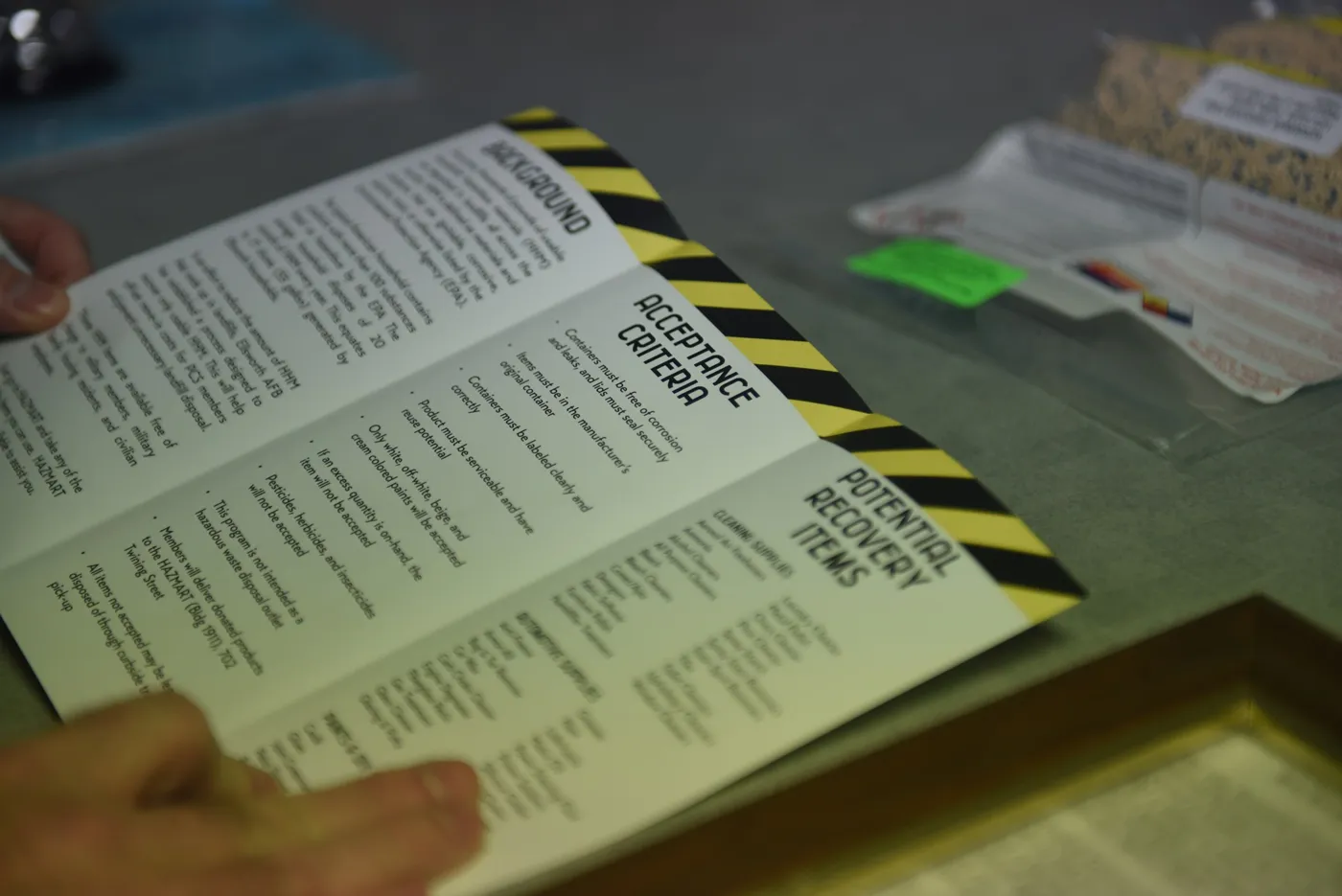
- Real photos, not cartoons
- A hands-on drill: you make the calls, step by step, and see what happens
- 5 quick checks along the way, then a final quiz
- A certificate with a QR code your employer can check online
- A wallet card you can print and carry
- A printable study guide (PDF)
Training a crew? Add your workers, see who finished, and keep every certificate in one place. Train your team →
Course outline
- Why HazCom exists: Four parts that work together; How chemicals get into your body
- The written program: What your employer must have in writing; When you must be trained, and your part
- Reading a label: Signal words and workplace labels
- Pictograms
- Safety Data Sheets: The 16 sections, always in the same order
- On the job
Why it matters
Source: OSHA enforcement data, refreshed after each sync.
Questions
What does Hazard Communication Basics cover?
You will be able to: explain what HazCom requires from manufacturers, employers and workers; read a chemical label and find the six required elements; recognize the eight OSHA pictograms and what each one warns about; find the right information fast on a Safety Data Sheet; decide what to do with an unlabeled container.
Who is this course for?
It is written for workers and people starting a safety career.
How long does it take?
About 30 minutes, on a phone or a computer. You can stop and pick up where you left off.
Do I get a certificate?
Yes. Score 80% or better on the final quiz and you get a certificate with a code your employer can check.
Which OSHA rule is it based on?
Based on OSHA 29 CFR 1910.1200 · applies to construction via 29 CFR 1926.59. It is awareness training: it is not an OSHA card, and your employer still has to train you on their own equipment and plan.
Course facts
- Who it is for: Workers and people starting a safety career
- Trainer: Marc Harvey, Site Safety Officer (OSHA 30, CPR, USACE CQM)
- Time: about 30 minutes, on your phone or computer
- Final quiz pass mark: 80%, with a certificate employers can verify
- Based on OSHA 29 CFR 1910.1200 · applies to construction via 29 CFR 1926.59 (official text)
- Printable study guide (PDF) with the key points and practice questions, included with the course
- Answer key with OSHA citations for trainers (trainer plans)
Parte de The Dojo — Academia de Capacitación en Seguridad de OSHA
Free for White Belts. Create a free account to take it and get your certificate.
Start free as a White BeltComparar cinturonesLea la guía gratuita — lo que exige la norma, en palabras sencillas.