
OSHA 1910.213 Woodworking Machine Rules: Saw Guards and More
Saws, jointers, and planers can cut a hand in a split second. Kickback can throw wood at high speed. OSHA’s woodworking machinery rule is 29 CFR 1910.213. Here are the parts that matter most.
Every machine
- Each machine needs a power switch the worker can reach without leaving the work spot.
- A machine must not start up on its own after a power outage if that could hurt someone.
- Electric controls must be able to lock out for repairs.
- Foot pedals need a cover so they are not hit by accident.
- Machines must run without shaking at full speed.
Table saws
A hand-fed rip saw needs three things:
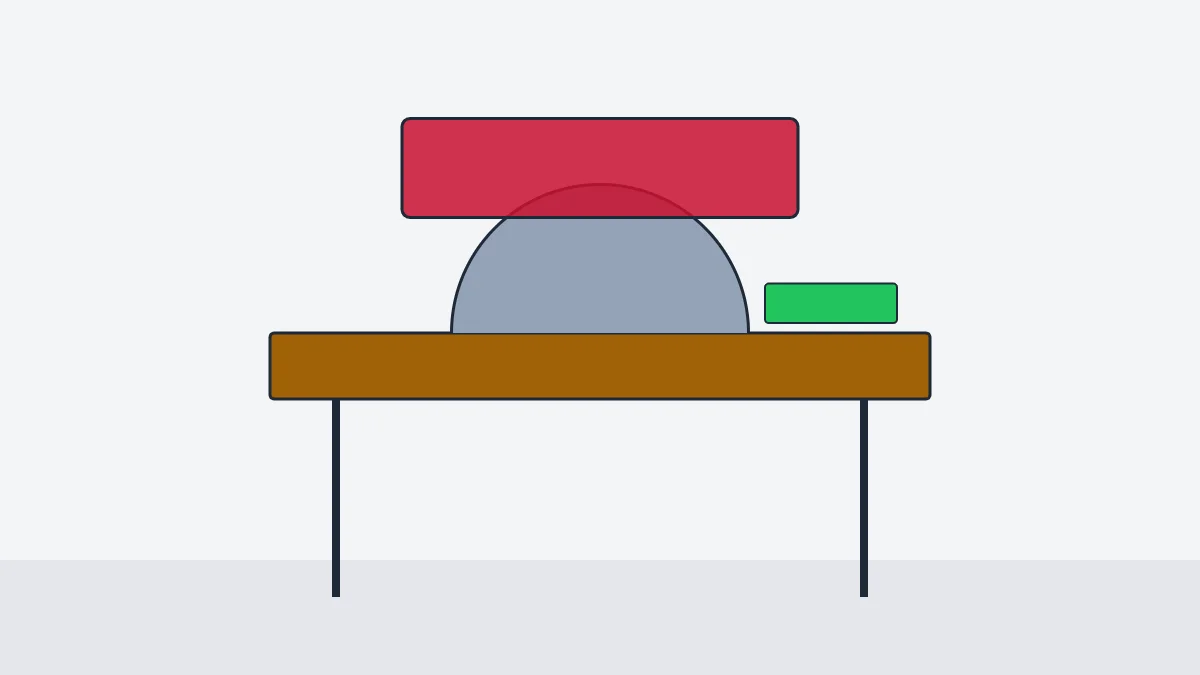
- A hood guard that covers the blade above the table and the wood. It moves up and down with the wood.
- A spreader that keeps the cut open so the wood does not pinch the blade.
- Anti-kickback fingers that stop wood from flying back at you.
Crosscut table saws need the same kind of hood. If you take off the spreader for a special cut, put it back right after.
Training for 1910.213: Learn this rule step by step in our Woodworking Machinery Safety course. It is included in the Black Belt Safety Vault.
Radial arm saws
The blade needs a guard above and on the lower sides. The saw must be set so the head rolls back on its own. A stop must limit how far it travels. Rip only from the side marked on the guard.
Band saws and jointers
Band saws need the blade covered except for the part that cuts. The wheels must be fully covered. Jointers need a guard over the cutter head that moves on its own. Knives may stick out no more than 1/8 inch.
Keep blades sharp
Take dull, cracked, or badly set saws out of use right away. They cause jamming and kickback. Keep push sticks or push blocks at the machine.
What to do next
Our Woodworking Machinery Safety course shows each guard and how to use it. Start the course or join the Vault.
This is a plain-language summary. The official rule text is what counts.
Sources
- 29 CFR 1910.213, Woodworking machinery requirements – eCFR, National Archives, checked 2026-10-15
Frequently asked questions
What guards does a table saw need under OSHA?
A hand-fed rip saw needs a hood guard over the blade, a spreader, and anti-kickback fingers. Crosscut table saws need the same kind of hood.
Can I remove the spreader on a table saw?
You may take it off for a special cut. Put it back right after.
What does OSHA require for radial arm saws?
The blade needs a guard above and on the lower sides. The head must roll back on its own, and a stop must limit how far it travels.
How far can jointer knives stick out?
Jointer knives may stick out no more than 1/8 inch. The cutter head also needs a guard that moves on its own.