Topic · 10 courses
PPE, First Aid & Emergencies — Personal Protective and Life Saving Equipment (Subpart E)
Personal protective equipment, respirators, first aid, exit routes, fire prevention and emergency action plans.
AllWorking at Heights — Fall Protection (Subpart M) 11Cranes, Rigging & Lifting — Cranes and Derricks in Construction (Subpart CC) 12Trenches & Tight Spaces — Excavations; Confined Spaces in Construction (Subparts P, AA) 8Chemicals & HazMat — Hazard Communication; HAZWOPER (1926.59, 1926.65) 21Health Hazards — Toxic and Hazardous Substances (Subpart Z) 21Electricity & Tools — Electrical; Tools—Hand and Power (Subparts K, I) 15Vehicles & Heavy Equipment — Motor Vehicles, Mechanized Equipment, and Marine Operations (Subpart O) 6PPE, First Aid & Emergencies — Personal Protective and Life Saving Equipment (Subpart E) 10Jobsite Basics — General Safety and Health Provisions (Subpart C) 9OSHA Rules & Worker Rights — Inspections, Citations and Proposed Penalties (Part 1903) 7Specialized Work — Concrete, Steel Erection, Demolition, Diving & More (Subparts Q–Y) 12Working at Heights — Walking-Working Surfaces (Subpart D) 1Lockout/Tagout & Confined Spaces — General Environmental Controls (Subpart J) 2Fire Safety — Fire Protection (Subpart L) 1Forklifts & Cranes — Materials Handling and Storage (Subpart N) 2Health Hazards — Toxic and Hazardous Substances (Subpart Z) 4
PPE, First Aid & Emergencies — Personal Protective and Life Saving Equipment (Subpart E)
Personal protective equipment, respirators, first aid, exit routes, fire prevention and emergency action plans.
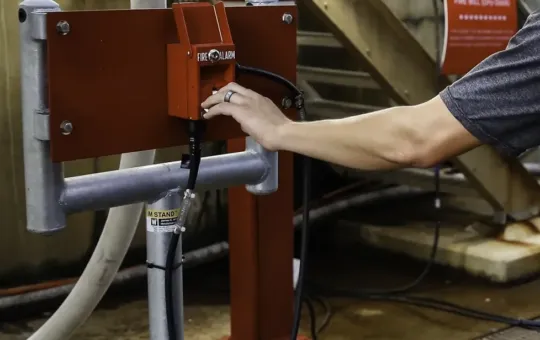
Emergency Action Plans in Construction
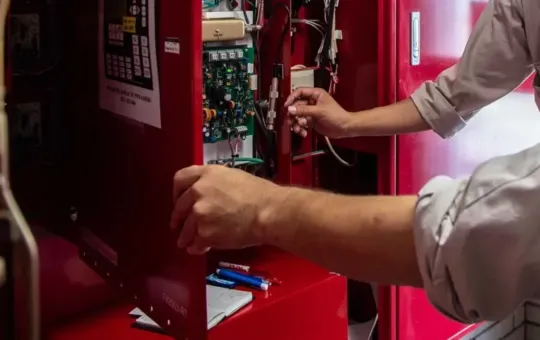
Emergency Action and Fire Prevention Plan Administrator
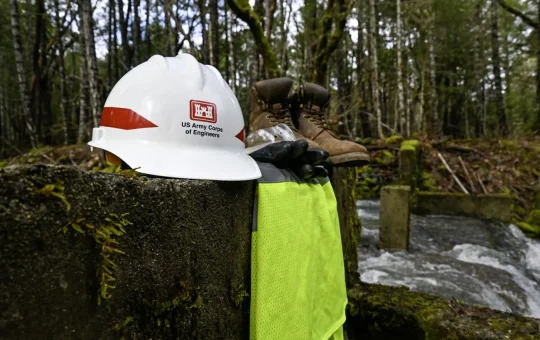
Personal Protective Equipment in Construction for Workers
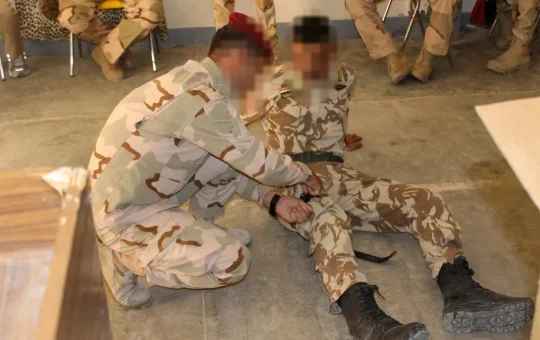
Workplace First Aid Requirements for Supervisors
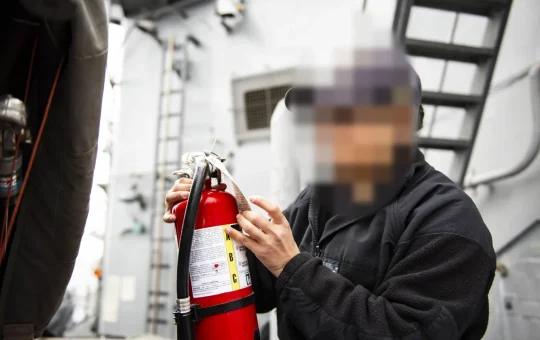
Fire Prevention on Construction Sites
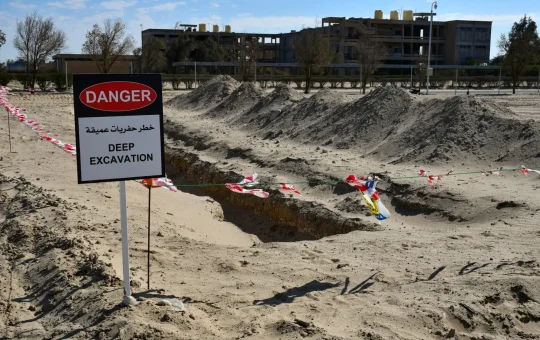
Accident Prevention Signs and Tags
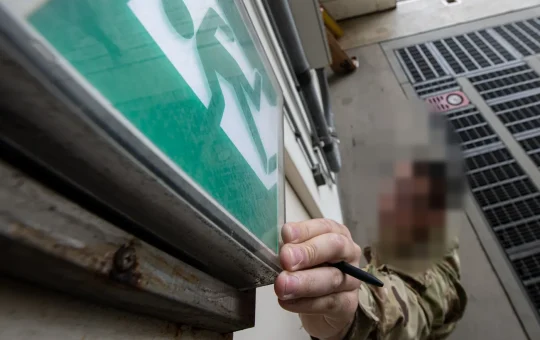
Exit Routes and Evacuation for Employees
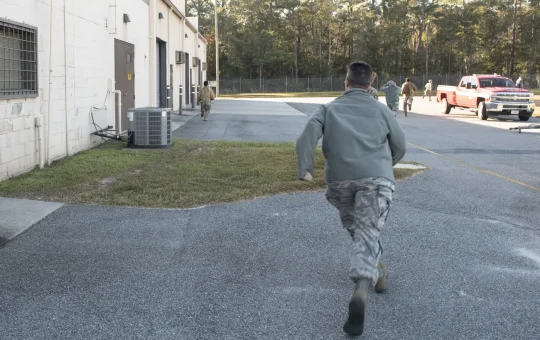
Emergency Action and Fire Prevention Plans for Employees
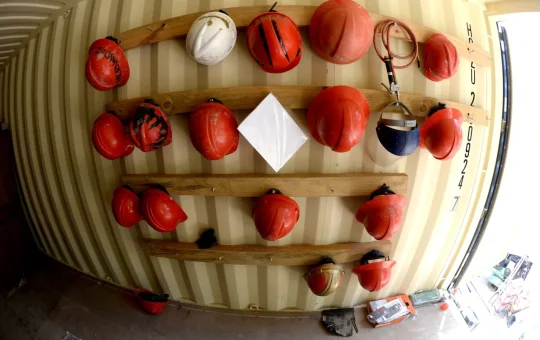
Personal Protective Equipment Basics for Workers Who Wear PPE