
Instructor | Black Belt Safety
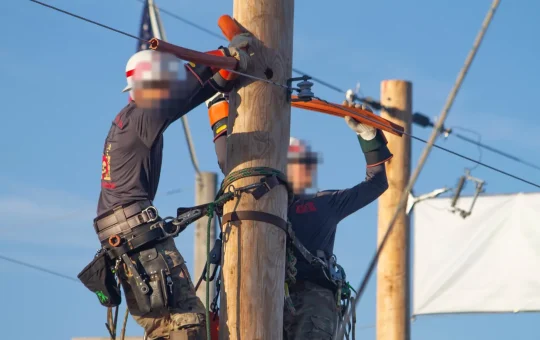
Power Line Work: Grounding and Protective Equipment
Learn what the construction standard requires for protective grounding of power lines and for fall protection on poles and towers, from the point of view of the qualified employee doing the work.
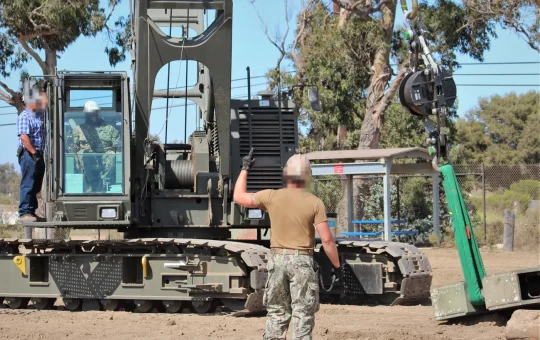
Pile Driving and Site Clearing Safety
Learn what a pile driving or site clearing crew member needs to recognize: signals and clear zones around the driver, the protections a pile rig must have, and the plant and rollover protections required for…
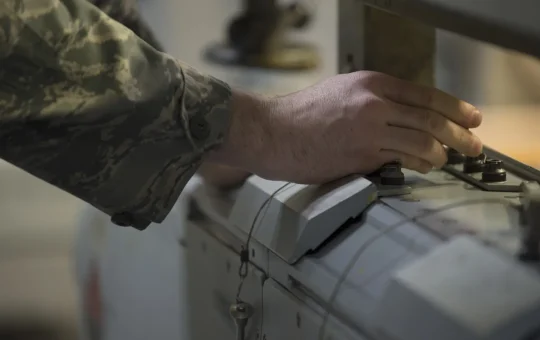
Overhead and Gantry Crane Safety (General Industry)
For operators of overhead and gantry cranes, including pendant-operated bridge cranes: designated operators, rated load markings, frequent and periodic inspections, rope inspection, maintenance lockout, handling the load safely and the shift limit switch check.
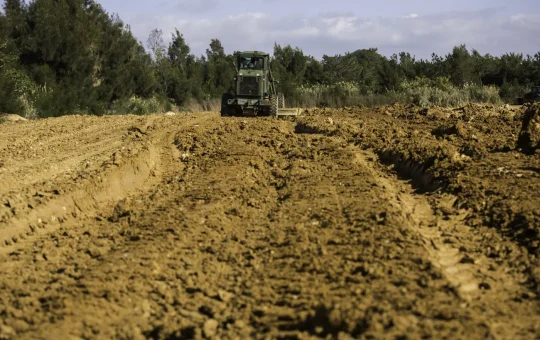
Motor Vehicles and Earthmoving Equipment on Construction Sites
For equipment operators, truck drivers and spotters on construction sites: blocking raised equipment, parking, power line clearances, shift vehicle checks, backup alarms or observers, seat belts, dump truck safety, earthmoving equipment alarms and haul roads,…
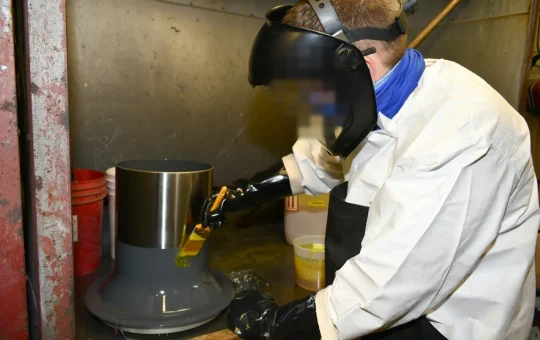
Methylene Chloride Safety (Paint and Coating Removal)
For workers and supervisors who strip paint, refinish floors or use other methylene chloride products: health effects, the PEL, STEL and action level, monitoring, regulated areas, controls, respirators, protective clothing, washing facilities, medical surveillance and…
Mechanical Power Press Safety
For mechanical power press operators, die setters and supervisors: which presses are covered, point of operation guards and devices, hand feeding tools, two-hand controls, safety blocks for die work, the inspection program, operator instruction and…
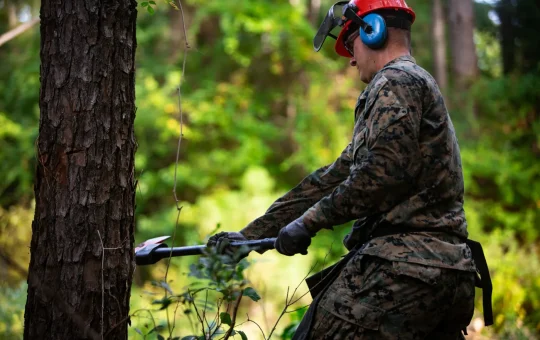
Logging Operations Safety
For loggers, equipment operators and supervisors: PPE including chaps and boots, first aid, work area spacing and signaling, chain saw rules, machine and vehicle safety, felling with a retreat path, danger trees, limbing and bucking,…
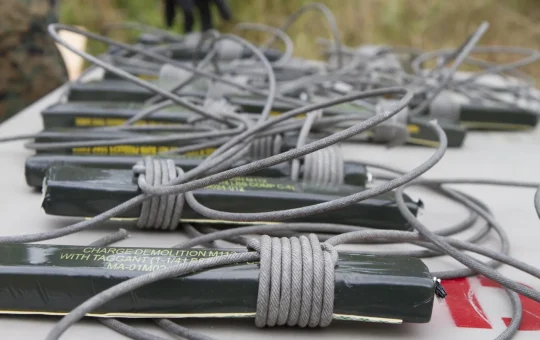
Loading, Firing and Misfires (Blasting Crew)
Learn how the construction standard requires loading, electric and fuse initiation, detonating cord, firing, post-blast inspection and misfires to be handled by the blaster and blasting crew.
Lead Safety in General Industry
For employees exposed to lead in plants, foundries, battery and recycling operations and other general industry work: the PEL and action level, monitoring, controls, respirators, protective clothing, hygiene, blood lead testing, medical removal protection and…
Inorganic Arsenic Safety
For workers in smelting, glass, pigment, semiconductor, chemical and other operations with inorganic arsenic: health effects, the PEL and action level, monitoring, regulated areas, controls, respirators and protective clothing, hygiene, housekeeping, medical surveillance, signs and…
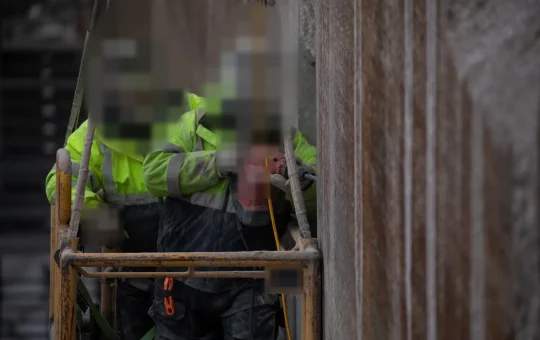
Hoisting Personnel with Cranes
For employers, crane operators and platform occupants: when hoisting people with a crane is allowed, set-up and the 50 percent capacity limit, personnel platform and rigging criteria, trial lifts and proof tests, and safe work…
Guarding Belts, Pulleys, Gears and Shafts
For machine operators and maintenance staff: the 7-foot rule for guarding mechanical power-transmission apparatus, flywheels, shafting, pulleys, belts, gears, sprockets and chains, projecting keys and setscrews, guard materials, and the 60-day inspection.
Grain Handling Facilities Safety
For employees and supervisors at grain elevators, feed mills, flour mills and similar facilities: training, hot work permits, bin, silo and tank entry, flat storage entry, engulfment protection, housekeeping and dust, preventive maintenance and lockout,…
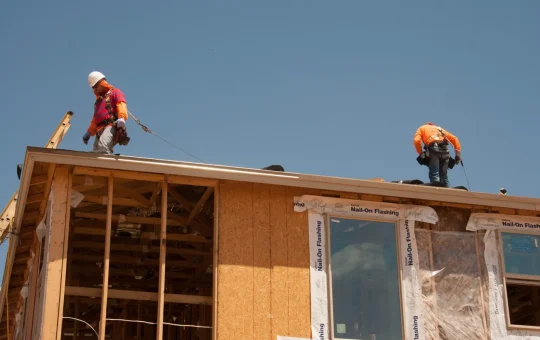
Fall Protection for Competent Persons: Awareness (Construction)
Learn what OSHA's construction fall protection rules require and what a competent person looks for in the field: the 6-foot rule, guardrails, covers, nets, personal fall arrest systems, roof work, fall protection plans and crew…
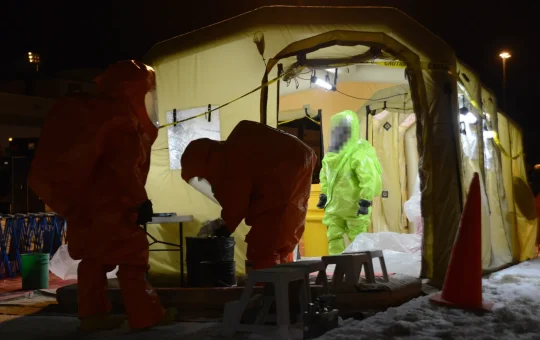
Ethylene Oxide (EtO) Safety
For employees who work with ethylene oxide sterilizers, gas cylinders or EtO processes: hazards, the PEL, excursion limit and action level, monitoring, regulated areas and signs, controls, respirators (no half masks), protective clothing, emergencies, medical…
Drum Hoists, Overhead Hoists and Conveyors in Construction
For operators of base-mounted drum hoists, overhead hoists and conveyors on construction sites: guarding, controls and stops, safe working loads, standing clear of the load, and locking out conveyors for repair.
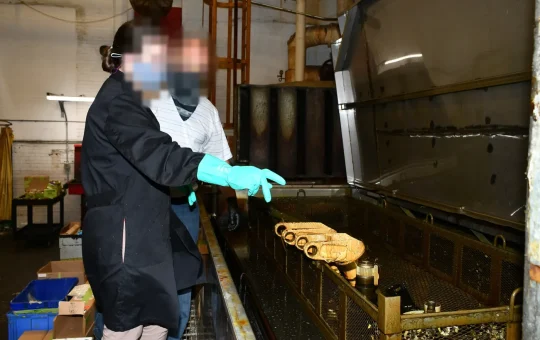
Dipping and Coating Operations (Dip Tanks)
For operators and maintenance workers at dip tanks used for painting, plating, pickling, degreasing, quenching and similar processes: ventilation and the 25% LFL limit, first aid and hygiene facilities, tank cleaning and entry, inspections, and…
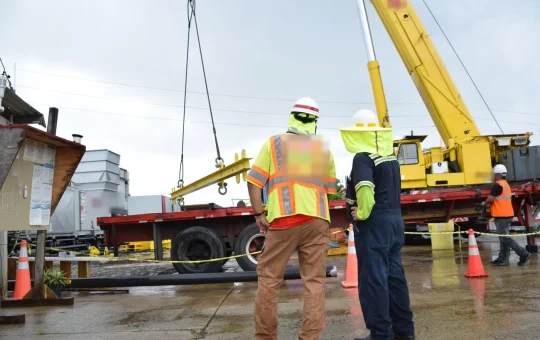
Crane Power Line Safety
For crane operators, signal persons, spotters and crew: identifying the work zone, the 20-foot and Table A clearance options, encroachment prevention measures, work below or close to power lines, what to do if contact happens…
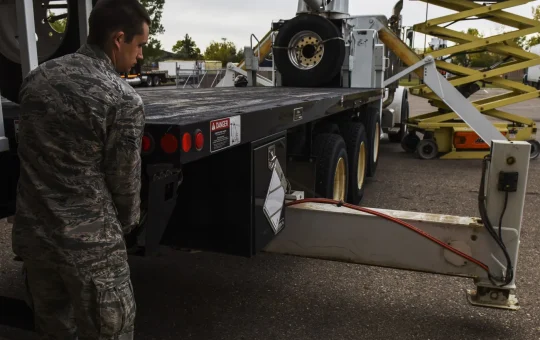
Crane Operator: Safety Devices, Operational Aids and Operation
For crane operators: the required safety devices, what to do when an operational aid fails, safe operating rules, your authority to stop, keeping people clear of the load and when free fall is prohibited.
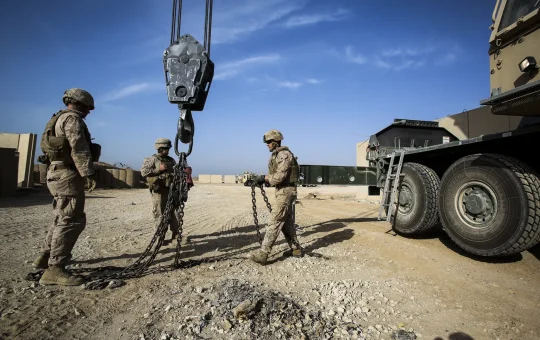
Crane Inspections and Wire Rope
For people who inspect cranes and the operators who rely on them: when inspections are required, what the shift, monthly and annual inspections cover, wire rope deficiency categories, removal from service and wire rope selection…
Crane Assembly/Disassembly Director
For crane assembly directors and crew: who directs the work, which procedures apply, how to brief the crew, and how to control pins, booms, blocking, brakes, outriggers and rigging.
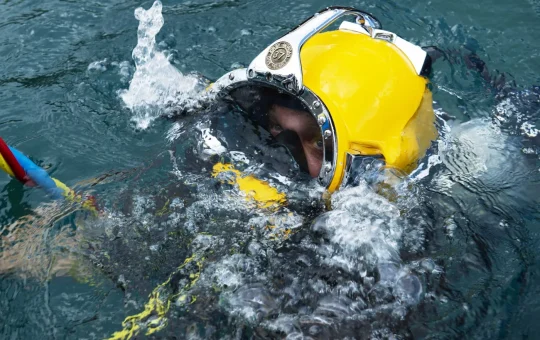
Commercial Diving in Construction: Dive Team and Dive Procedures
For dive team members on construction projects: scope, dive team qualifications and the person-in-charge, the safe practices manual, pre-dive planning and briefing, procedures during the dive (communications, tools, welding, explosives, terminating a dive) and post-dive…
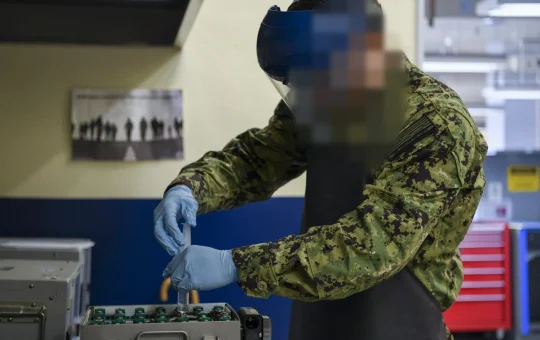
Cadmium Safety in General Industry
For workers and supervisors in plants and shops where cadmium is made, used or heated: health effects, the PEL and action level, exposure monitoring, regulated areas, controls, respirators and protective clothing, hygiene and housekeeping, medical…
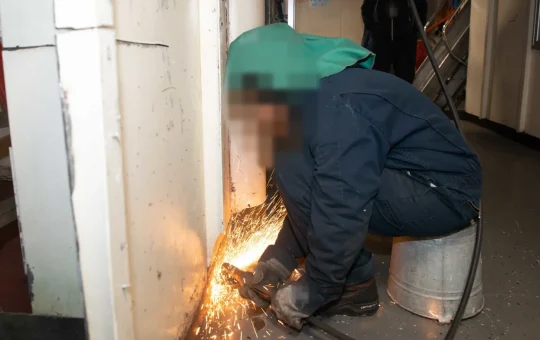
Cadmium Safety in Construction
For construction workers and supervisors who may be exposed to cadmium: where it is found, the PEL and action level, exposure monitoring, regulated areas, controls, respirators and protective clothing, hygiene and housekeeping, medical surveillance and…