
Instructor | Black Belt Safety
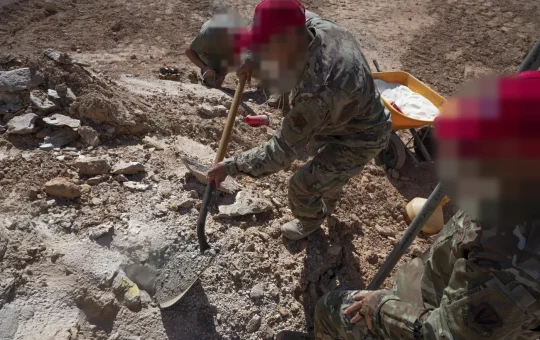
Blaster Qualifications and General Blasting Rules
Learn what the construction standard requires of a blaster and the general rules a blaster applies every day: control of explosives, ignition sources, stray electricity, and protecting people and property.
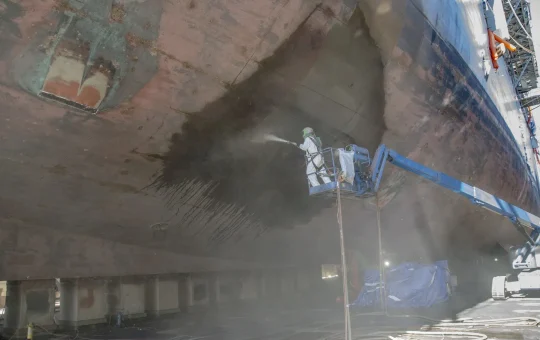
Beryllium in Construction (Abrasive Blasting)
For construction workers and supervisors exposed to beryllium, such as in abrasive blasting: sensitization and chronic beryllium disease, the PEL, STEL and action level, exposure assessment, the competent person and written exposure control plan, respirators,…
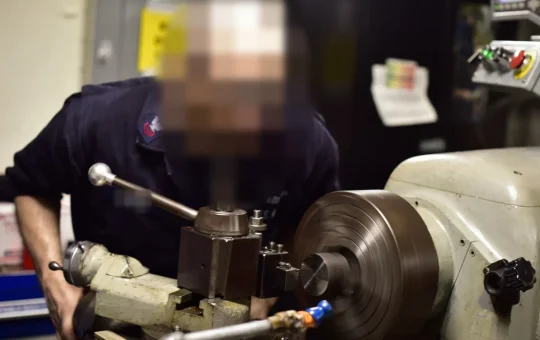
Beryllium Safety in General Industry
For workers and supervisors who machine, cast, grind or otherwise process beryllium and its alloys: sensitization and chronic beryllium disease, the PELs, STEL and action level, exposure assessment, work areas and regulated areas, controls, respirators…
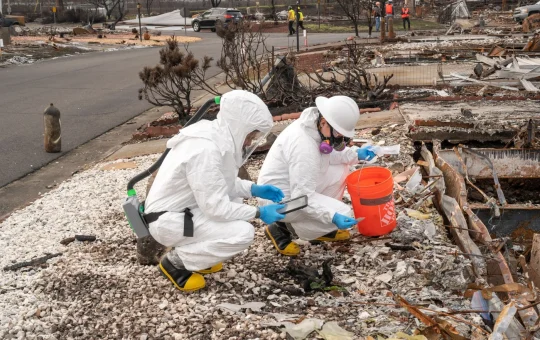
Asbestos Safety in General Industry
For maintenance, custodial, brake and clutch, and manufacturing workers who may contact asbestos outside construction: health effects, ACM and PACM, the PEL and excursion limit, monitoring, regulated areas, controls, brake and clutch methods, respirators and…
Anhydrous Ammonia Storage and Handling
For employees who store, transfer, deliver or apply anhydrous ammonia: where the rule applies, container location and markings, gas masks and emergency water, filling limits, attended transfers, hose protection, tank car unloading, and farm vehicle…
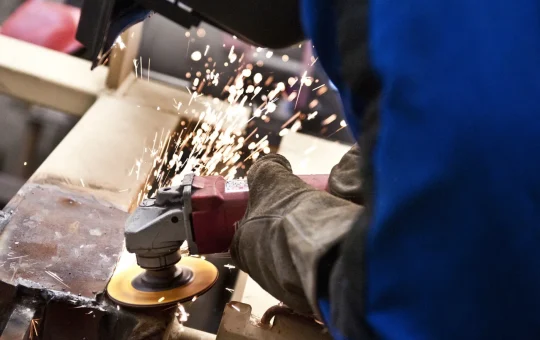
Abrasive Wheel Machinery and Grinder Safety
For employees who use or maintain bench grinders, pedestal grinders and other abrasive wheel machinery: guards and their exceptions, the tongue guard and work rest gaps, flanges and blotters, the ring test and speed check…

LP-Gas and Temporary Heaters on Construction Sites
Learn what the construction rules ask of the worker who sets up or runs LP-gas containers and temporary heaters: approved equipment, indoor use, spacing, storage, ventilation, clearances and flame-failure protection.
Material and Personnel Hoists on Construction Sites
Learn the construction hoist rules that matter to operators and riders: operating limits and posted rules, who may ride, hoistway protection, wire rope removal criteria, personnel hoist safety features, and inspection and testing.
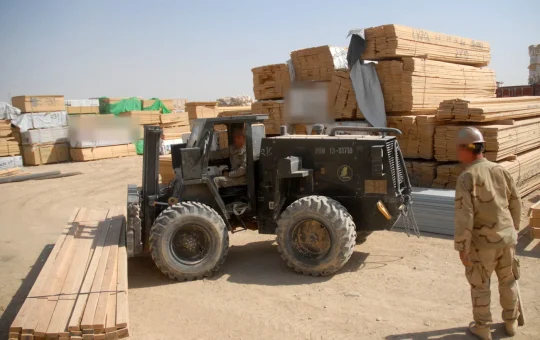
Material Storage and Waste Disposal on Construction Sites
Learn how to stack and store materials on a construction site, where and how much you may store, how to keep aisles and work areas clear, and how waste and debris must be handled.

Scaffold Erector and Dismantler (Construction)
Learn what the scaffold rule asks of the person who builds and takes down scaffolds: working under a competent person, solid footing and ties, planking and guardrails, type-specific assembly, safe access and fall protection while…
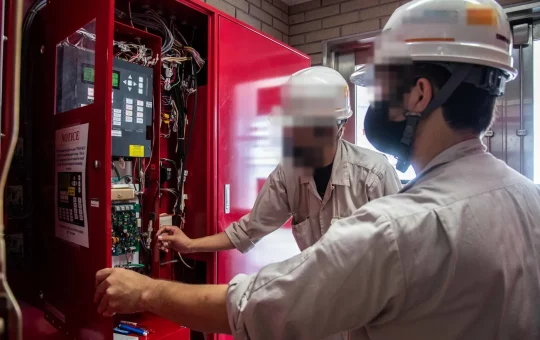
Emergency Action and Fire Prevention Plan Administrator
Learn what an emergency action plan and a fire prevention plan must contain, where they must be kept, when they must be reviewed with employees, and what the employer must do about the alarm system…

Ladder Safety for General Industry Workers
Learn to inspect a ladder before your shift, set up a portable ladder, climb it the way the rule requires, and use a stepladder correctly. Short lessons, knowledge checks, a scenario and a final quiz.
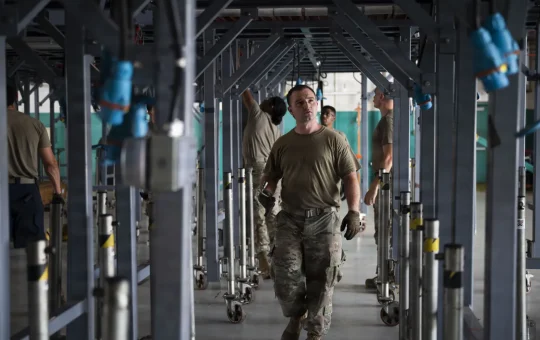
Scaffold Competent Person (Construction)
Learn what the scaffold rule asks of the competent person: inspecting, supervising erection and dismantling, making the access and fall protection calls, and training the crew.

Permit-Required Confined Space Entry Supervisor (General Industry)
Learn the entry supervisor's job under the permit-required confined space standard: confirming acceptable entry conditions, signing the permit, overseeing entry and terminating it.

Permit-Required Confined Space Attendant (General Industry)
Learn the duties of the attendant who stays outside a permit-required confined space: counting entrants, monitoring, ordering evacuation, summoning rescue, and keeping unauthorized people out.
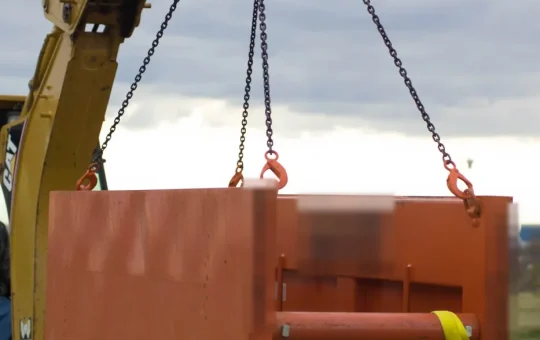
Excavation Competent Person (Trenching and Excavation)
Learn the competent person's duties in excavation work: daily inspections, soil classification, protective system selection and the site hazards you control.
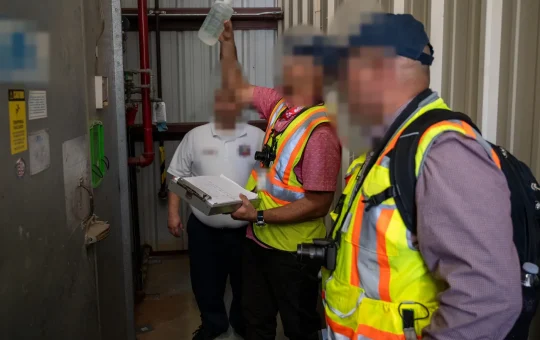
OSHA Inspections and Your Walkaround Rights
Learn what an OSHA inspector may do, who may walk the site with the inspector, how you can speak up or file a complaint, and what happens when a citation is issued.
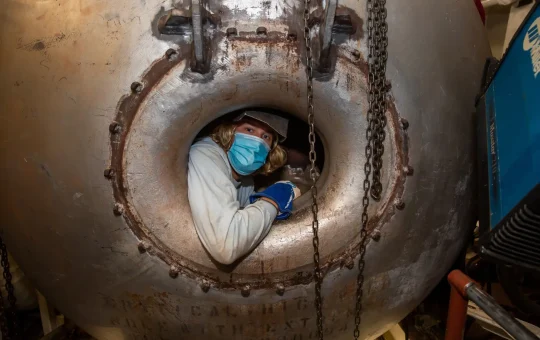
Welding Cutting and Heating in Confined Spaces
Learn the ventilation, respirator, attendant, toxic-metal and fire-prevention rules that apply when you weld, cut or heat inside a confined space on a construction site.
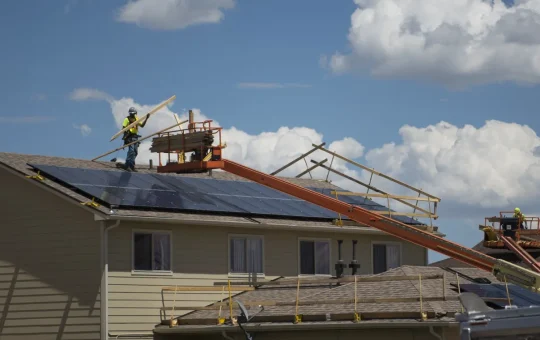
Fall Protection in Residential Construction
Learn when residential construction work needs fall protection, what guardrails, nets and personal fall arrest systems must do, and how the fall protection plan exception works.
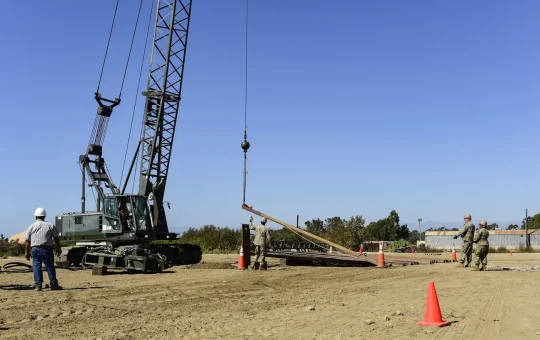
Crane Operator Training, Certification and Evaluation (Awareness)
Learn what the crane rule requires before someone operates a crane: training, certification or license, and the employer's own evaluation, plus the limits on operators-in-training.
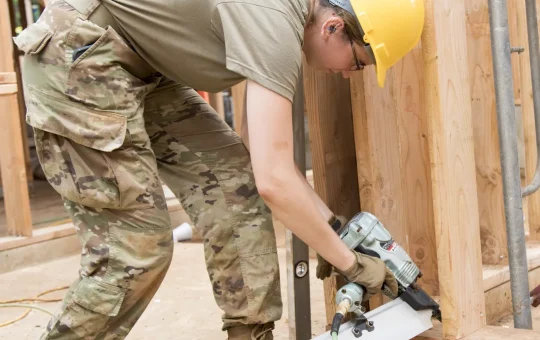
Nail Gun and Powder-Actuated Tool Safety
For framers, carpenters and other construction workers: what OSHA requires for pneumatic nailers, air hoses and powder-actuated tools, plus the habits that keep nails and pins out of people.
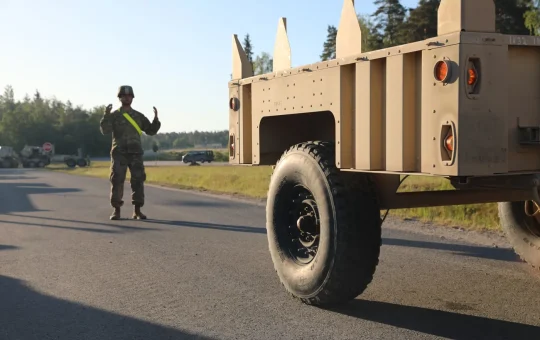
Preventing Backovers for Operators and Spotters
For construction equipment operators, truck drivers and spotters: when a reverse alarm or a signaling observer is required, how horns and pre-shift checks keep warning devices working, and how to work the backing plan safely.

Noise and Hearing Loss in Construction
For construction workers: know the OSHA permissible noise limits, how mixed noise levels add up over a shift, what must happen when noise is too loud, and how to use hearing protection that actually works.
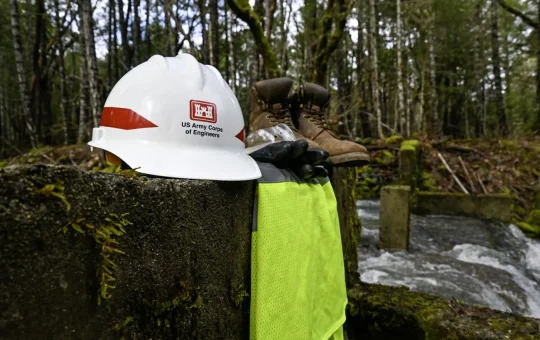
Personal Protective Equipment in Construction for Workers
For construction workers: who provides and pays for PPE, and how to choose, check and wear hard hats, eye and face protection, hearing protection and life jackets the way Subpart E requires.