
Instructor | Black Belt Safety
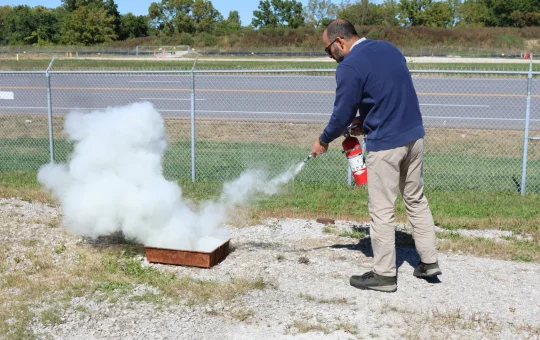
Portable Fire Extinguisher Safety
For workers in any workplace where portable fire extinguishers are provided for employee use: where extinguishers must be and who may use them, matching the extinguisher to the class of fire, the P.A.S.S. technique, when…
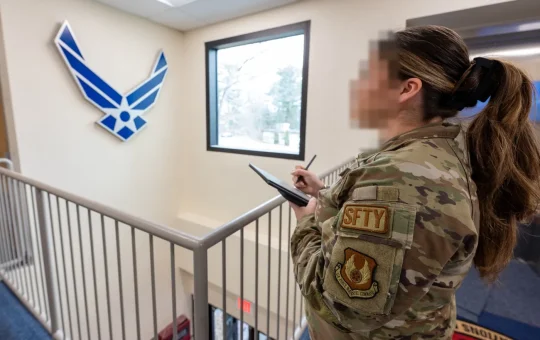
Federal Agency Safety Programs (29 CFR 1960)
How a federal agency safety program works under 29 CFR 1960: who is responsible, which standard applies, agency inspections and notices, employee hazard reports and their deadlines, accident investigation, abatement plans and federal injury records,…
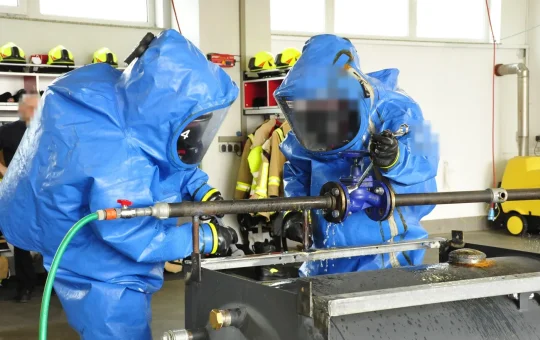
DBCP (1,2-Dibromo-3-chloropropane) Safety
Learn the DBCP exposure limit, regulated areas, protective clothing and respirators, cleanup and emergency steps, and your medical and information rights, with knowledge checks, a branching scenario and a final quiz.
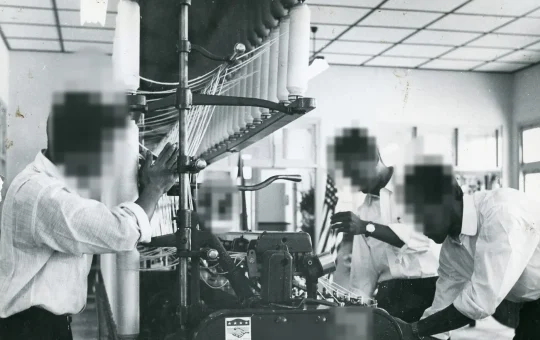
Cotton Dust Safety
Learn what the cotton dust rule means for you as a textile mill worker: your dust limit, how dust is measured, the cleaning practices that keep it down, respirators, medical exams and training.
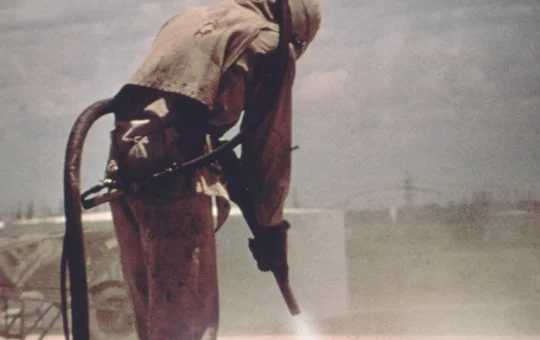
Ventilation and Abrasive Blasting in Construction
Learn what abrasive blasting dust does, when a blasting respirator is required, what other protection you need, and how to work safely around blast-cleaning enclosures and their exhaust ventilation.
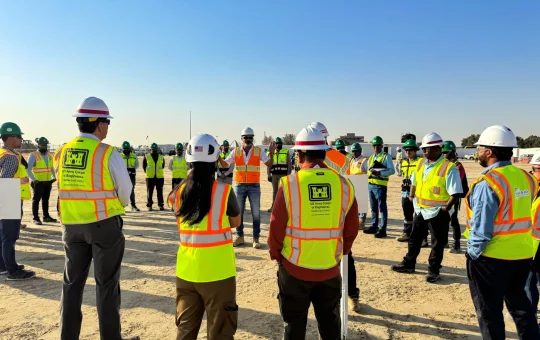
Construction Safety Program Basics for Supervisors
Learn the employer duties in 29 CFR 1926.20 that you carry out as a construction supervisor: programs, inspections, non-compliant equipment, who may operate equipment, and which rule applies.
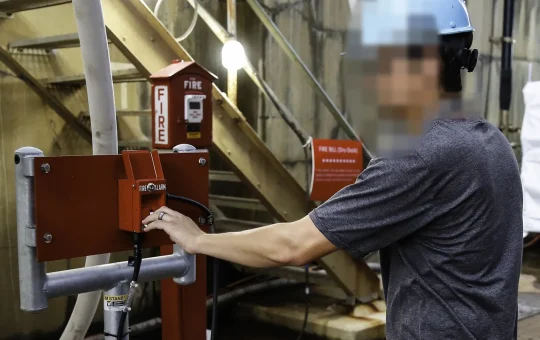
Emergency Action Plans in Construction
Learn what an emergency action plan must include, how alarms and evacuation work, and when your employer must train you and review the plan with you.
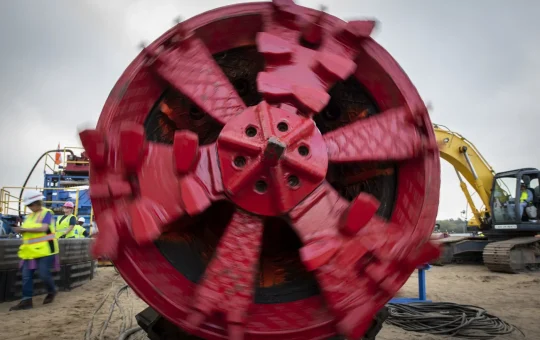
Compressed Air Work in Tunnels and Caissons
Learn the medical, compression, decompression, fire and emergency rules that protect you when you work in compressed air in a tunnel or caisson.
Coke Oven Emissions Safety
Learn the regulated areas, exposure limit and signs, when to wear a respirator and protective clothing, the hygiene rules, and your medical exams and rights as a worker in a coke oven regulated area.
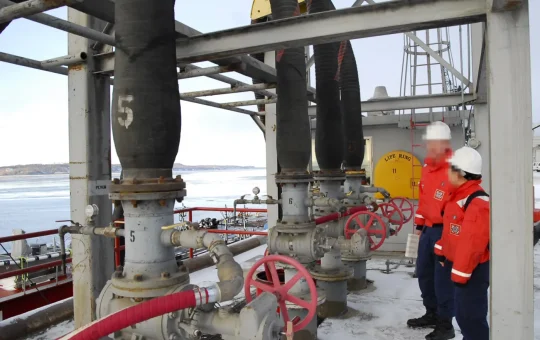
1,3-Butadiene Safety
Learn the health hazards and exposure limits for 1,3-butadiene, how regulated areas, respirators and protective clothing work, what to do in a leak, and your rights to monitoring results and medical screening.

Bakery Equipment Safety
Learn the guards, stop devices, lockouts and oven rules that protect you at mixers, dough machines, ovens and flour bins in a bakery.
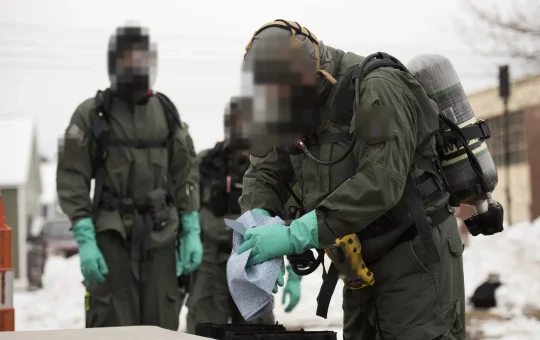
Acrylonitrile Safety
Learn the exposure limits for acrylonitrile, how to protect your skin, eyes and lungs, what to do in a spill or emergency, and what your employer must do for you.
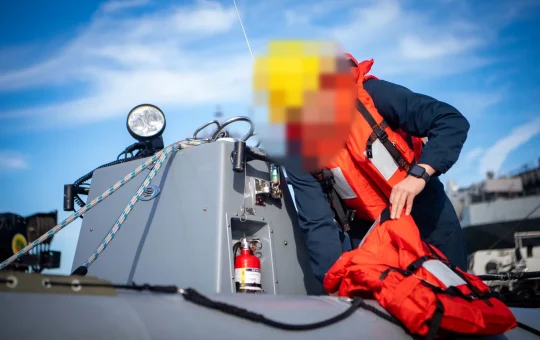
Working Over or Near Water
For construction workers on bridges, docks, piers, dams and other jobs over or near water: life jackets and buoyant work vests, inspecting them before and after use, ring buoys and the lifesaving skiff.
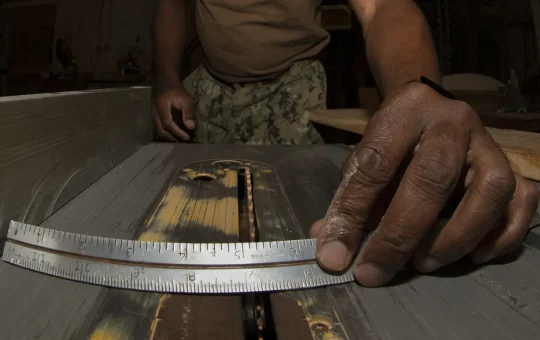
Woodworking Machinery Safety
For employees who run table saws, radial saws, bandsaws, jointers, shapers and sanders: power controls and restart protection, saw hoods, spreaders and nonkickback devices, radial saw setup, jointer and bandsaw guards, push sticks and keeping…
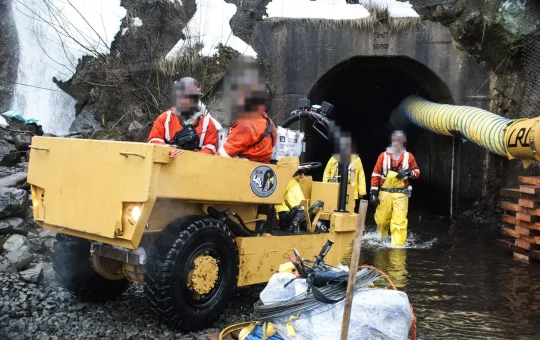
Underground Construction, Shafts and Tunnels
For tunnel, shaft and underground construction crews and supervisors: access and check-in/check-out, safety instruction, communications, self-rescuers and emergency provisions, gassy classifications, air monitoring, ventilation, fire prevention and ground support.
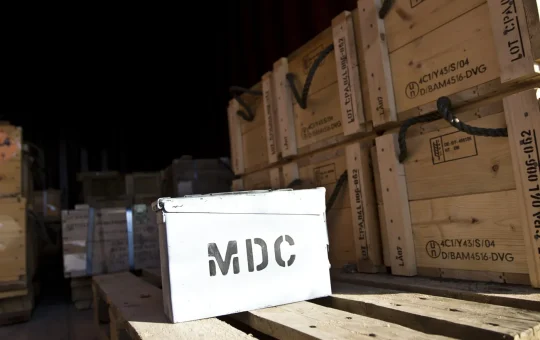
Transporting and Storing Explosives on Construction Sites
Learn what a driver, magazine keeper or blaster needs to recognize when explosives are hauled on the surface, moved underground, or stored: the vehicle rules, what may not travel together, and storage distances.
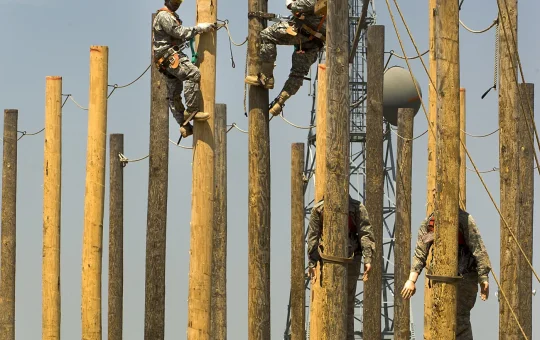
Telecommunications Work Safety
For telecom technicians, line workers and splicers: who the rule covers, training and certification, public work areas, PPE and rubber insulating equipment, climbing and fall protection, poles and strand, grounding, power line approach, and manholes…
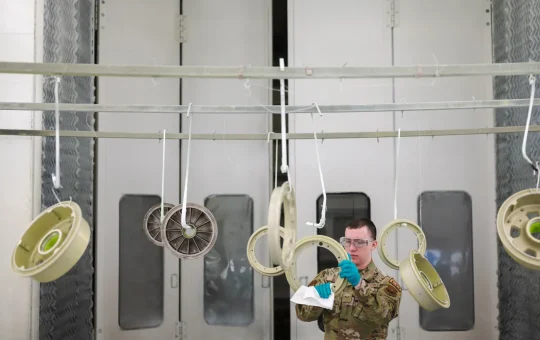
Spray Finishing with Flammable and Combustible Materials
For spray painters, powder coaters and supervisors: spray booth basics, keeping ignition sources away, ventilation, filters and residue disposal, hoses and grounding, cleaning solvents, no-smoking rules, and electrostatic and powder coating safety.
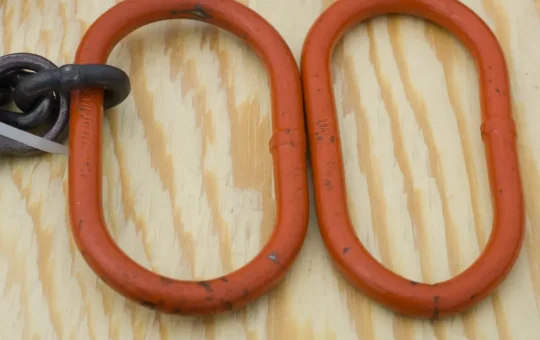
Slings in General Industry
For employees who rig loads in plants, warehouses and shops: safe operating practices for slings, daily inspections, and the identification, temperature, repair and removal-from-service rules for alloy steel chain, wire rope, metal mesh, fiber rope…
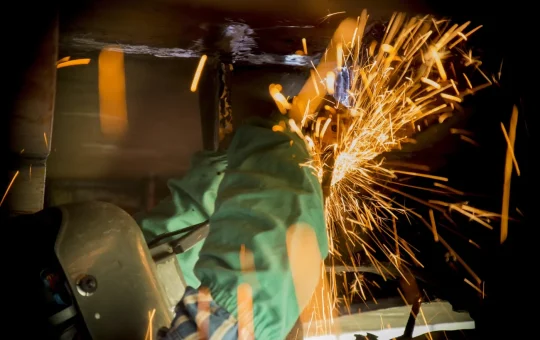
Shipyard Welding, Cutting and Heating
For shipyard welders, burners, fitters and helpers: ventilation and respirators for fumes and toxic metals, preservative coatings, hollow structures, compressed gas cylinders, fuel gas, hoses and torches, and arc welding cables, grounds and shielding.
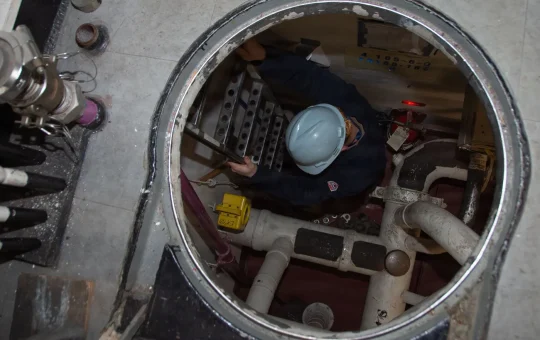
Shipyard Confined and Enclosed Spaces
For shipyard employees who enter tanks, holds, voids and other confined or enclosed spaces: testing order (oxygen, flammability, toxicity), limits and warning labels, entrant training, rescue teams, cleaning and cold work, hot work certificates, and…
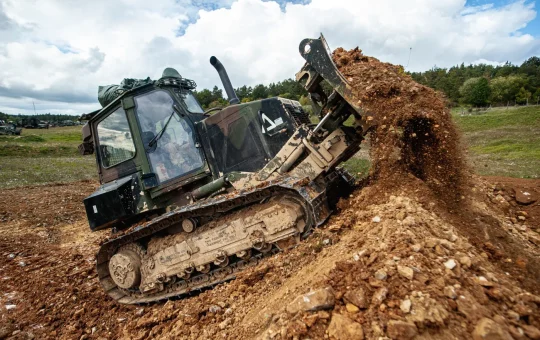
Rollover Protective Structures (ROPS) and Overhead Protection
For operators and mechanics of scrapers, loaders, dozers, graders, crawler tractors, compactors, skid steers and tractors used in construction: which machines need ROPS, how ROPS are labeled and remounted, and overhead protection on tractors.
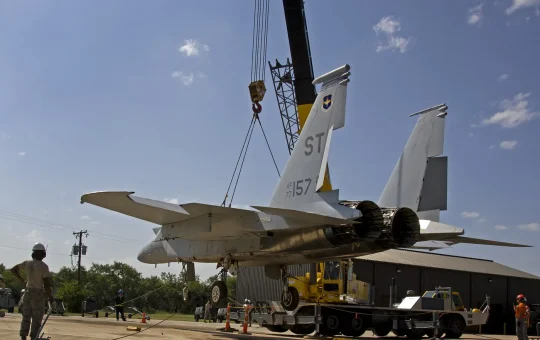
Rigging Equipment for Material Handling (Construction)
For riggers and crane crews on construction sites: shift inspections, identification markings and rated loads, and the rules for alloy steel chain, wire rope, fiber rope and synthetic web slings, shackles and hooks, including when…
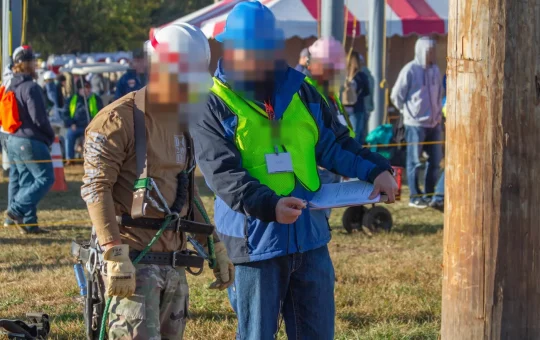
Power Line Work: Job Briefings and De-energizing Lines
Learn what a qualified employee and an employee in charge need to recognize on power line work: what a job briefing must cover, why lines are treated as energized, and how a clearance is requested,…