
Topic · 25 courses
Toxic Substances & Health Hazards
Asbestos, lead, silica, beryllium, cadmium, chromium, solvents, bloodborne pathogens and noise.
AllFall Protection & Working at Heights 12Cranes, Rigging & Material Handling 14Confined Spaces & Excavation 10Hazardous Materials & Chemicals 21Toxic Substances & Health Hazards 25Electrical, Machinery & Tools 15Vehicles & Heavy Equipment 6PPE, First Aid & Emergency Plans 11Construction Operations 9OSHA Compliance & Worker Rights 7Specialized Industries 12
Toxic Substances & Health Hazards
Asbestos, lead, silica, beryllium, cadmium, chromium, solvents, bloodborne pathogens and noise.
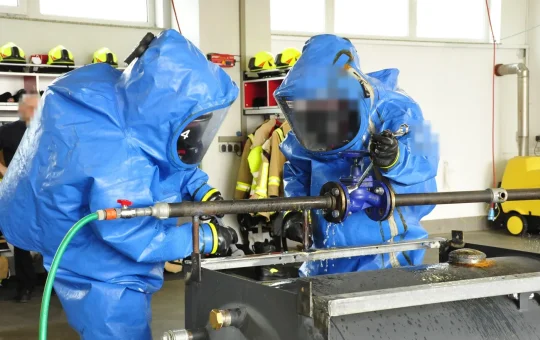
DBCP (1,2-Dibromo-3-chloropropane) Safety
Learn the DBCP exposure limit, regulated areas, protective clothing and respirators, cleanup and emergency steps, and your medical and information rights, with knowledge checks, a branching scenario and a final quiz.
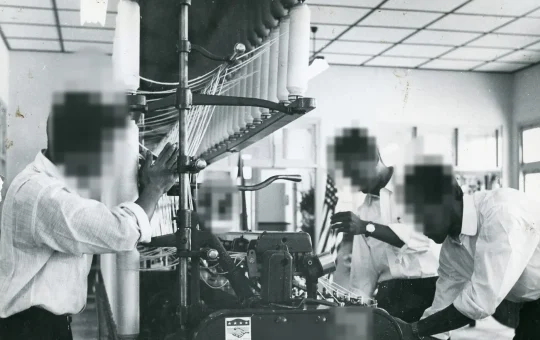
Cotton Dust Safety
Learn what the cotton dust rule means for you as a textile mill worker: your dust limit, how dust is measured, the cleaning practices that keep it down, respirators, medical exams and training.
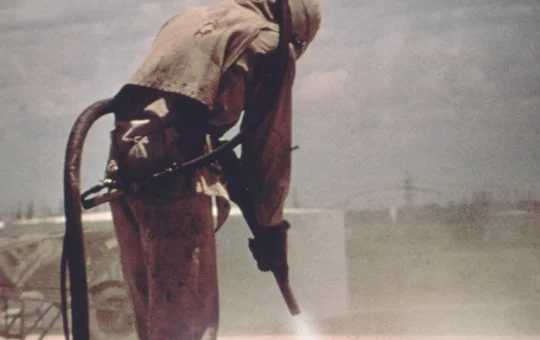
Ventilation and Abrasive Blasting in Construction
Learn what abrasive blasting dust does, when a blasting respirator is required, what other protection you need, and how to work safely around blast-cleaning enclosures and their exhaust ventilation.
Coke Oven Emissions Safety
Learn the regulated areas, exposure limit and signs, when to wear a respirator and protective clothing, the hygiene rules, and your medical exams and rights as a worker in a coke oven regulated area.
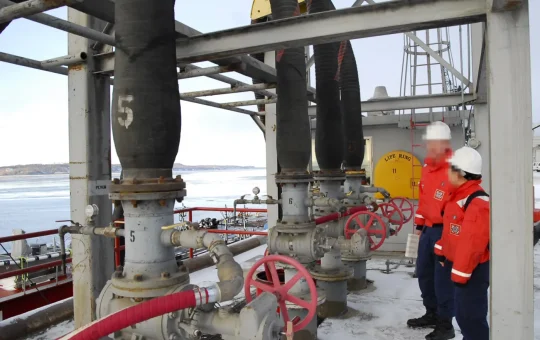
1,3-Butadiene Safety
Learn the health hazards and exposure limits for 1,3-butadiene, how regulated areas, respirators and protective clothing work, what to do in a leak, and your rights to monitoring results and medical screening.
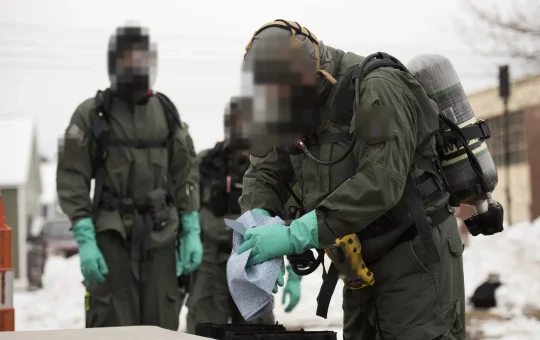
Acrylonitrile Safety
Learn the exposure limits for acrylonitrile, how to protect your skin, eyes and lungs, what to do in a spill or emergency, and what your employer must do for you.
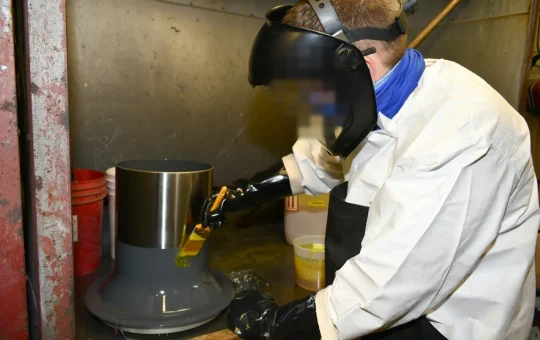
Methylene Chloride Safety (Paint and Coating Removal)
For workers and supervisors who strip paint, refinish floors or use other methylene chloride products: health effects, the PEL, STEL and action level, monitoring, regulated areas, controls, respirators, protective clothing, washing facilities, medical surveillance and…
Lead Safety in General Industry
For employees exposed to lead in plants, foundries, battery and recycling operations and other general industry work: the PEL and action level, monitoring, controls, respirators, protective clothing, hygiene, blood lead testing, medical removal protection and…
Inorganic Arsenic Safety
For workers in smelting, glass, pigment, semiconductor, chemical and other operations with inorganic arsenic: health effects, the PEL and action level, monitoring, regulated areas, controls, respirators and protective clothing, hygiene, housekeeping, medical surveillance, signs and…
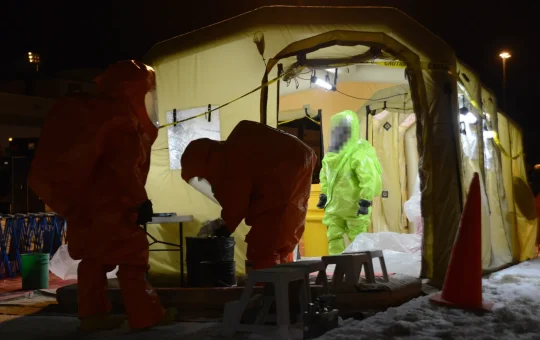
Ethylene Oxide (EtO) Safety
For employees who work with ethylene oxide sterilizers, gas cylinders or EtO processes: hazards, the PEL, excursion limit and action level, monitoring, regulated areas and signs, controls, respirators (no half masks), protective clothing, emergencies, medical…
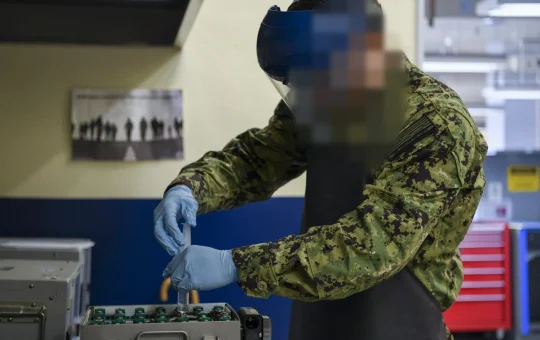
Cadmium Safety in General Industry
For workers and supervisors in plants and shops where cadmium is made, used or heated: health effects, the PEL and action level, exposure monitoring, regulated areas, controls, respirators and protective clothing, hygiene and housekeeping, medical…
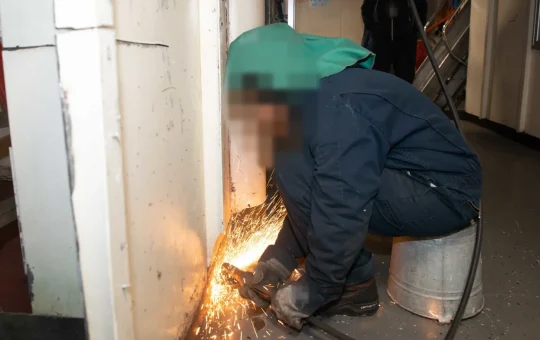
Cadmium Safety in Construction
For construction workers and supervisors who may be exposed to cadmium: where it is found, the PEL and action level, exposure monitoring, regulated areas, controls, respirators and protective clothing, hygiene and housekeeping, medical surveillance and…
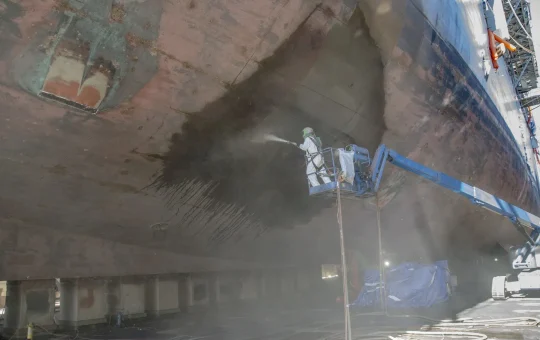
Beryllium in Construction (Abrasive Blasting)
For construction workers and supervisors exposed to beryllium, such as in abrasive blasting: sensitization and chronic beryllium disease, the PEL, STEL and action level, exposure assessment, the competent person and written exposure control plan, respirators,…
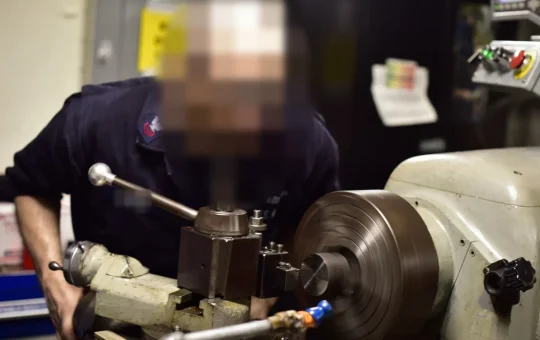
Beryllium Safety in General Industry
For workers and supervisors who machine, cast, grind or otherwise process beryllium and its alloys: sensitization and chronic beryllium disease, the PELs, STEL and action level, exposure assessment, work areas and regulated areas, controls, respirators…
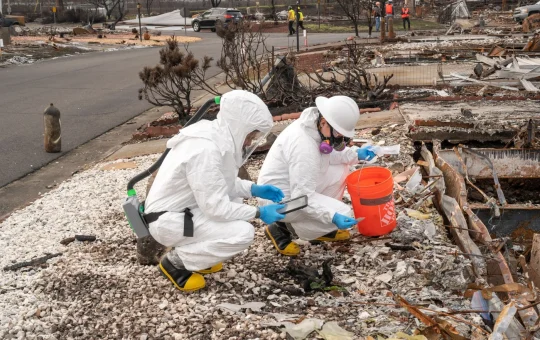
Asbestos Safety in General Industry
For maintenance, custodial, brake and clutch, and manufacturing workers who may contact asbestos outside construction: health effects, ACM and PACM, the PEL and excursion limit, monitoring, regulated areas, controls, brake and clutch methods, respirators and…
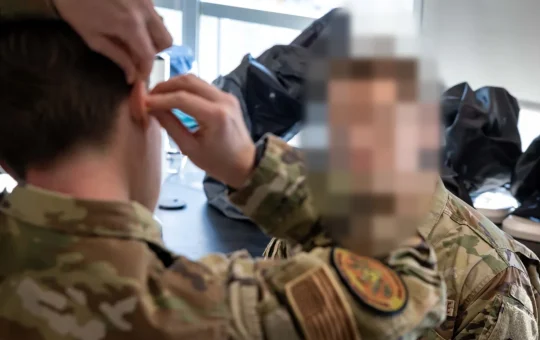
Noise and Hearing Loss in Construction
For construction workers: know the OSHA permissible noise limits, how mixed noise levels add up over a shift, what must happen when noise is too loud, and how to use hearing protection that actually works.
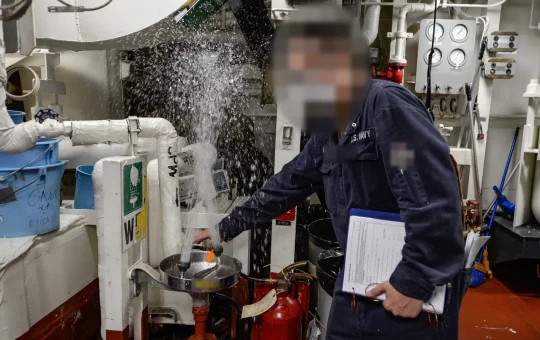
Formaldehyde Awareness
For workers exposed to formaldehyde gas, solutions or formaldehyde-releasing materials: know the limits and your results, respect regulated areas, use the right protective equipment and emergency washing, handle leaks and spills, and use the medical…
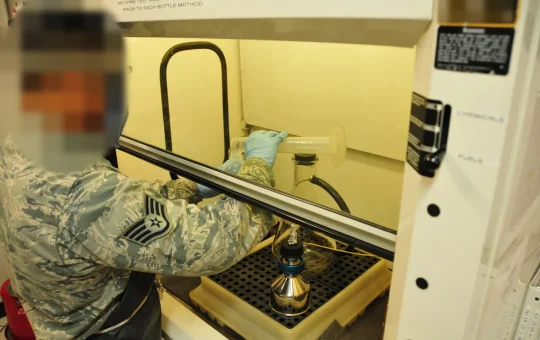
Benzene Awareness
For workers where benzene is present: recognize its hazards, know the exposure limits and regulated areas, use the protection required, know your monitoring and medical rights, and respond to a splash or release.
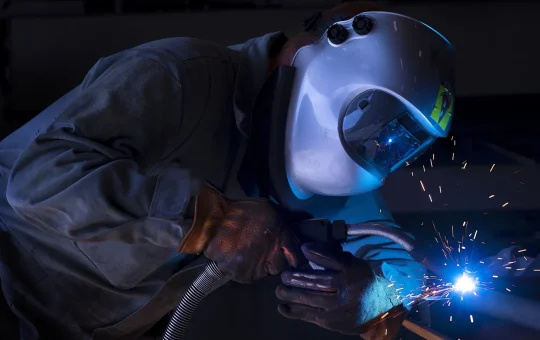
Hexavalent Chromium Awareness
For workers and welders exposed to hexavalent chromium: know the limits and your exposure results, how exposure must be controlled, how to handle protective clothing and hygiene, and what medical surveillance you are entitled to.
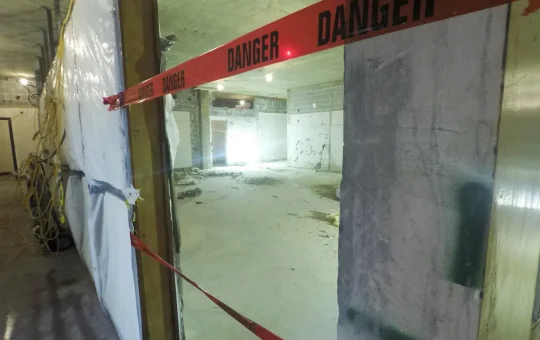
Asbestos Awareness for Workers
Awareness for workers who may come across asbestos but do not remove it: know which materials to presume contain asbestos, read the signs and labels, do not disturb it, clean up and report the right…
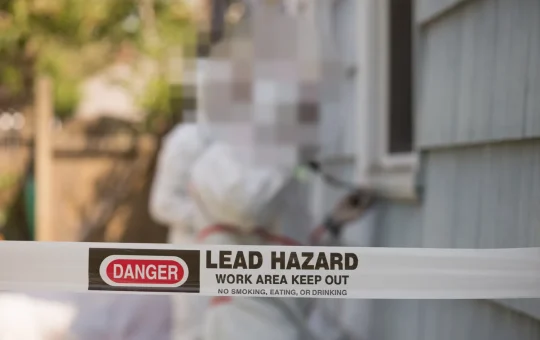
Lead Safety for Construction Workers
For construction workers who disturb lead paint or work with lead: recognize lead tasks and health effects, know the interim protection you get before exposure is measured, use respirators and protective clothing right, keep lead…
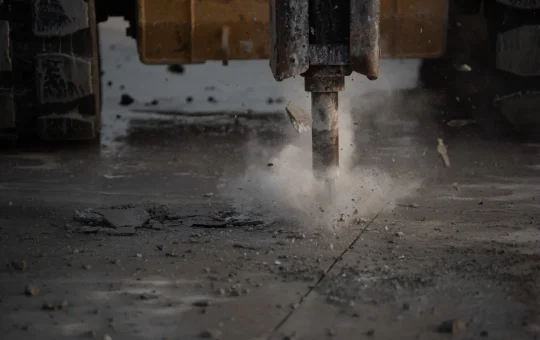
Respirable Crystalline Silica for Construction Workers
For construction workers who cut, drill, grind or break concrete, masonry and stone: recognize silica tasks and their health hazards, run your tool with its Table 1 controls, wear the right respirator, clean up without…
Respirable Crystalline Silica for General Industry Workers
For general industry workers exposed to silica dust: know the health hazards and the exposure limits, respect regulated areas, use the dust controls and clean-up methods the rule requires, wear your respirator when required, and…
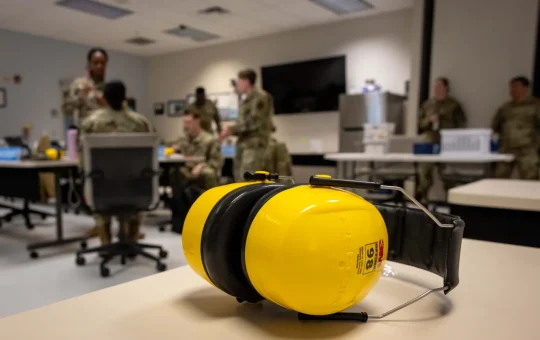
Hearing Conservation for Noise-Exposed Workers
For general industry workers exposed to noise at or above the action level: what puts you in a hearing conservation program, how to choose, fit and wear hearing protectors, and what your hearing tests mean.
- 1
- 2