
Instructor | Black Belt Safety
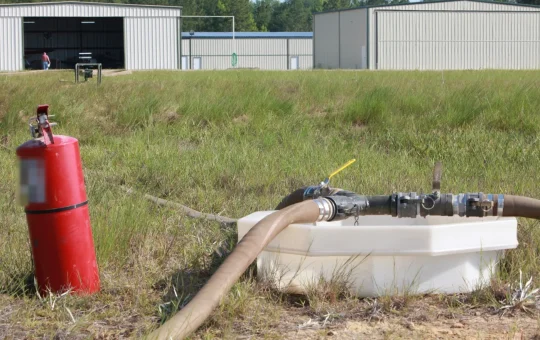
Flammable Liquids Storage and Handling
For workers who store, pour, dispense and use flammable liquids such as gasoline and solvents: recognize a flammable liquid, use the right container, store it within the limits, transfer it without a spark, and fuel…
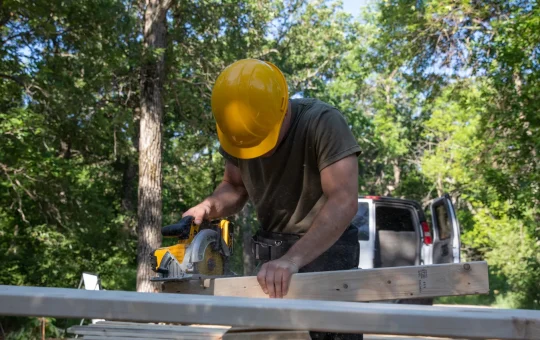
Hand and Power Tool Safety for Workers
For the worker who uses hand and power tools: spot a tool that is unsafe to use, check guards and switches, use electric and air tools the right way, mount and use grinding wheels safely,…
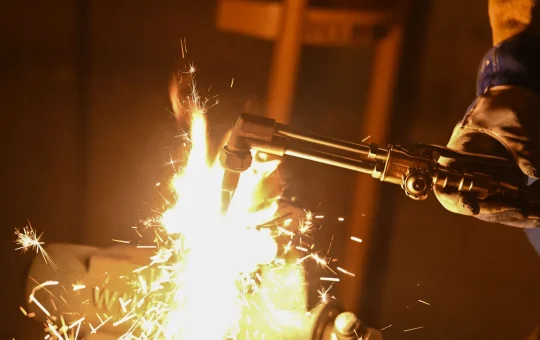
Welding, Cutting and Hot Work: Welder and Cutter
For the welder or cutter doing hot work: make the area fire safe before you strike an arc, know when a fire watch is required and what it does, handle containers and walls safely, protect…
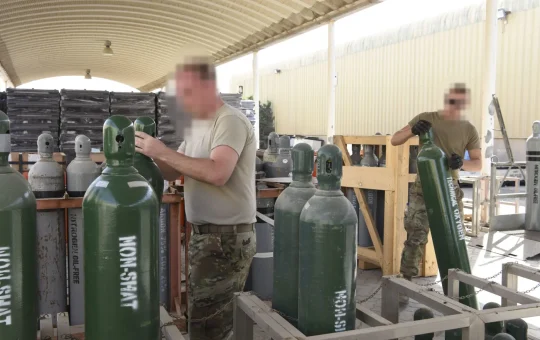
Compressed Gas Cylinder Safety
For workers who move, store and use compressed gas cylinders, especially oxygen and fuel gas for welding and cutting: move and store cylinders safely, place them away from heat and electricity, open and connect them…
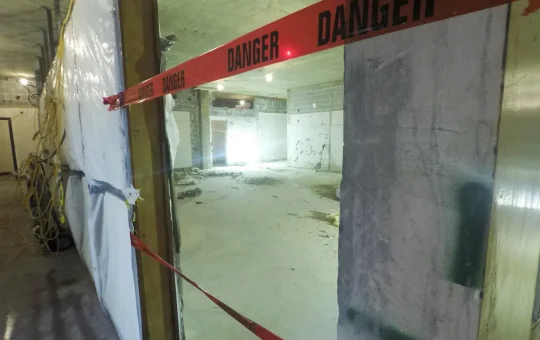
Asbestos Awareness for Workers
Awareness for workers who may come across asbestos but do not remove it: know which materials to presume contain asbestos, read the signs and labels, do not disturb it, clean up and report the right…
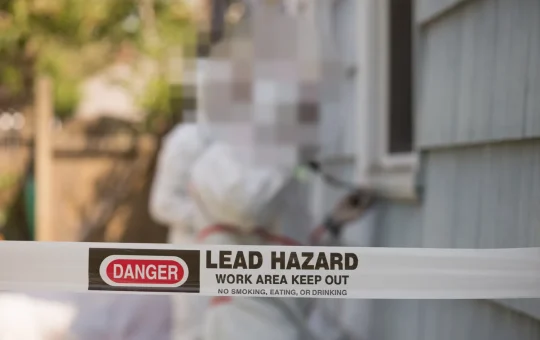
Lead Safety for Construction Workers
For construction workers who disturb lead paint or work with lead: recognize lead tasks and health effects, know the interim protection you get before exposure is measured, use respirators and protective clothing right, keep lead…
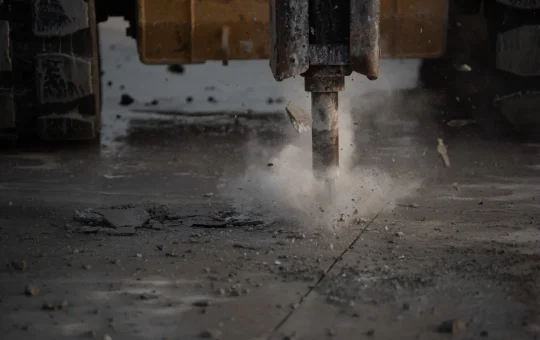
Respirable Crystalline Silica for Construction Workers
For construction workers who cut, drill, grind or break concrete, masonry and stone: recognize silica tasks and their health hazards, run your tool with its Table 1 controls, wear the right respirator, clean up without…
Respirable Crystalline Silica for General Industry Workers
For general industry workers exposed to silica dust: know the health hazards and the exposure limits, respect regulated areas, use the dust controls and clean-up methods the rule requires, wear your respirator when required, and…
Reporting Severe Injuries to OSHA: Supervisor and Safety Coordinator
For the supervisor or safety coordinator who must notify OSHA: recognize a reportable event, meet the 8-hour and 24-hour deadlines, report by an accepted method with the required information, and apply the exceptions correctly.
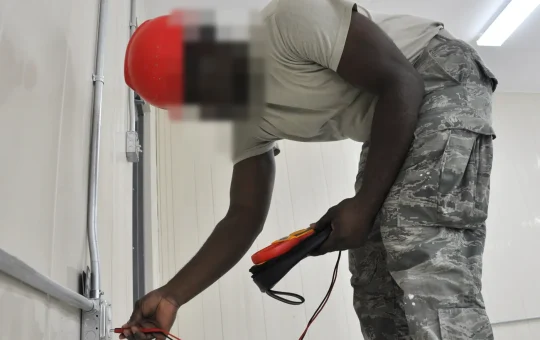
Electrical Safety-Related Work Practices for Workers
For general industry workers who work on, near or with electrical equipment but are not qualified persons: know your limits, treat unlocked parts as live, keep away from overhead lines, work safely near exposed parts,…
OSHA Injury and Illness Recordkeeper
For the supervisor or safety coordinator who keeps the OSHA 300 Log: decide whether a case is work-related, new and recordable, record it on the right forms on time, protect privacy cases, and complete, post,…
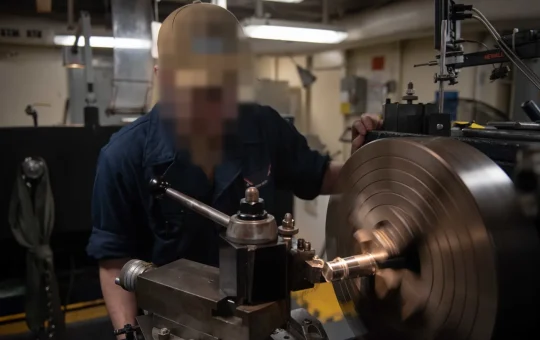
Machine Guarding for Operators and Maintenance Workers
For people who run or maintain machines: recognize the hazards that must be guarded, know what a proper guard does, spot unguarded belts, pulleys, gears, chains and shafts within 7 feet of the floor, and…
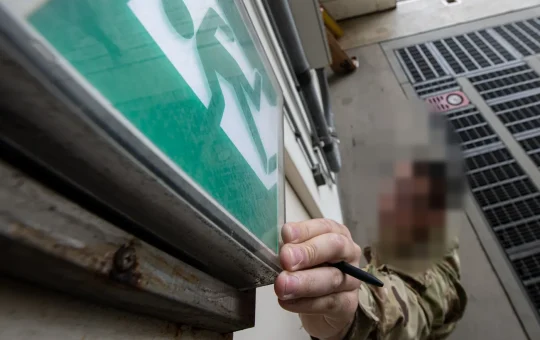
Exit Routes and Evacuation for Employees
For general industry employees: keep exit routes clear, recognize exit doors that must open, read exit signs and lighting, and spot and report exit route problems before an emergency.
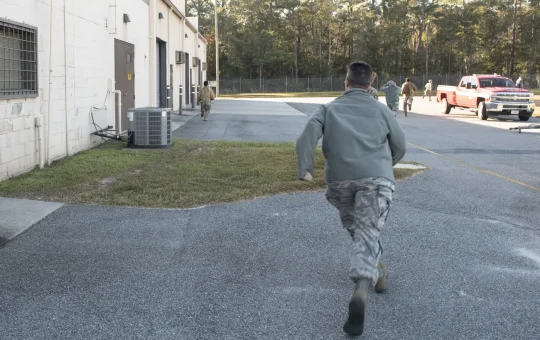
Emergency Action and Fire Prevention Plans for Employees
For employees covered by an emergency action plan or fire prevention plan: know where your plan is and what it covers, report emergencies and respond to the alarm, evacuate and be accounted for, and know…
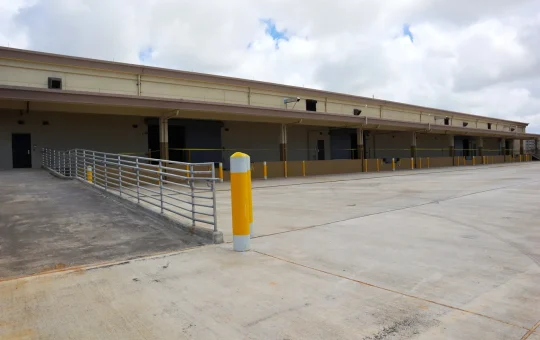
Walking-Working Surfaces and Fall Hazards for General Industry Workers
For general industry workers: spot and report surface hazards, recognize edges, holes and equipment that need fall protection, check guardrails and covers, and use dockboards safely.
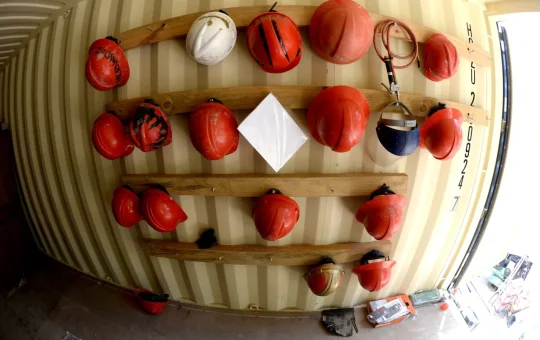
Personal Protective Equipment Basics for Workers Who Wear PPE
For general industry workers who are required to wear PPE: know when PPE is needed, match eye, face, head, foot and hand protection to the hazard, keep it in usable condition, and know who pays…
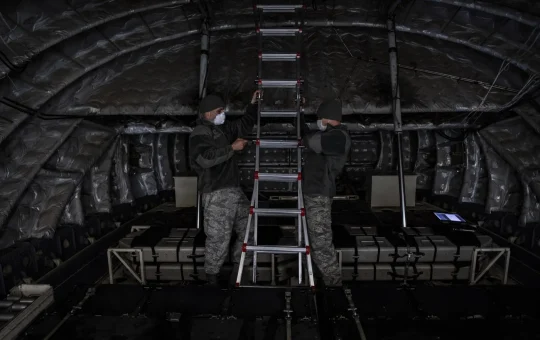
Portable Ladder Safety for Construction Workers
For construction workers who use portable ladders: pick a sound ladder and pull defective ones, set it up at the right angle and height, and climb and work from it safely.
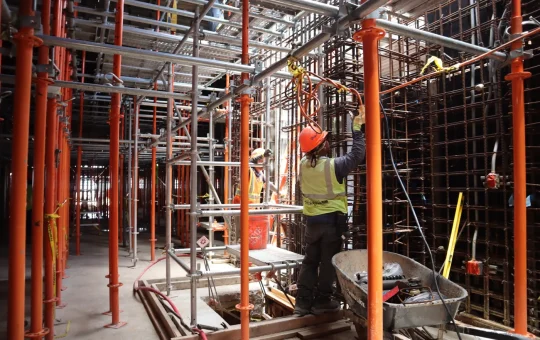
Scaffold Safety for Workers Who Use Scaffolds
For construction workers who work from scaffolds: power line clearances, fall protection and safe access, falling object protection, and the use and load rules you follow every shift.
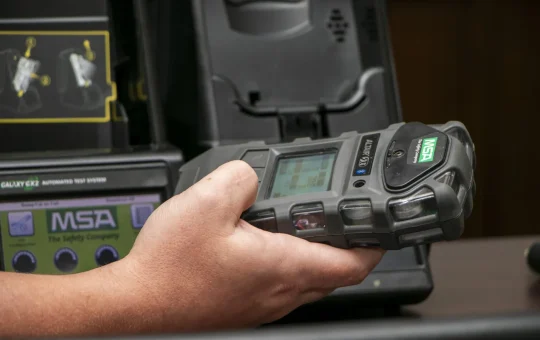
Permit-Required Confined Space Entrant (General Industry)
For authorized entrants in general industry: recognize a permit space and a hazardous atmosphere, check the permit and testing before you go in, use your equipment, stay in contact with the attendant, and get out…
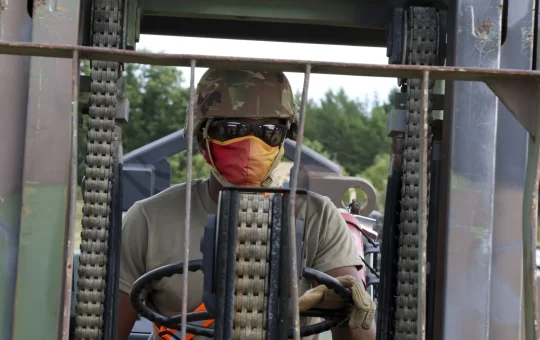
Forklift Operator Safety: Classroom Training
The classroom portion of forklift operator training: how operator training and evaluation work, checking the truck, handling loads, traveling around people, parking and docks, and fueling and charging.
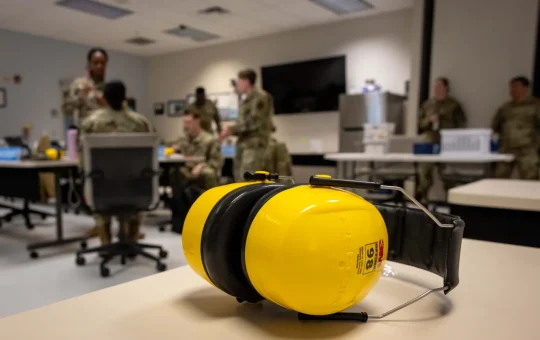
Hearing Conservation for Noise-Exposed Workers
For general industry workers exposed to noise at or above the action level: what puts you in a hearing conservation program, how to choose, fit and wear hearing protectors, and what your hearing tests mean.

Respiratory Protection for Respirator Wearers
For workers who are required to wear a respirator: what must happen before you wear one, how to check the seal every time, when to leave the area, and how to inspect, clean and store…
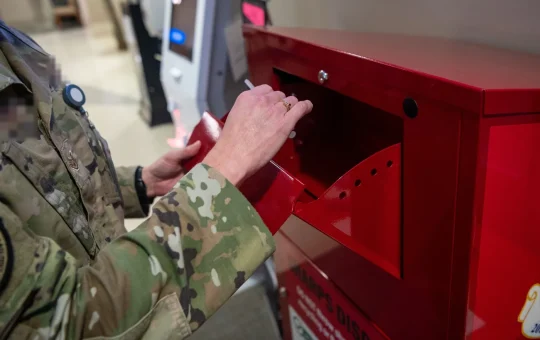
Bloodborne Pathogens for Employees with Occupational Exposure
For employees whose duties can bring them into contact with blood or other potentially infectious materials, such as designated first aid responders and custodial staff: recognize exposure, use work practices and PPE, clean up and…
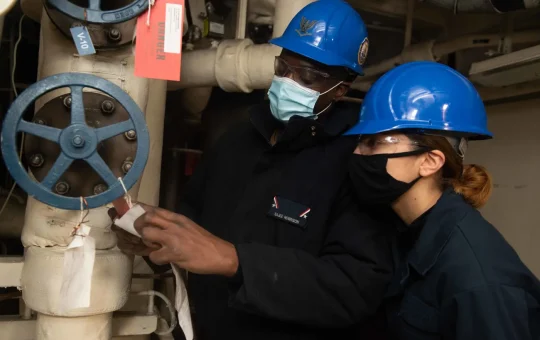
Lockout/Tagout for Authorized Employees
For authorized employees who lock and tag out machines in general industry: when the standard applies, the six-step application sequence, tags and their limits, safe release, group and shift-change lockout, and the annual periodic inspection.